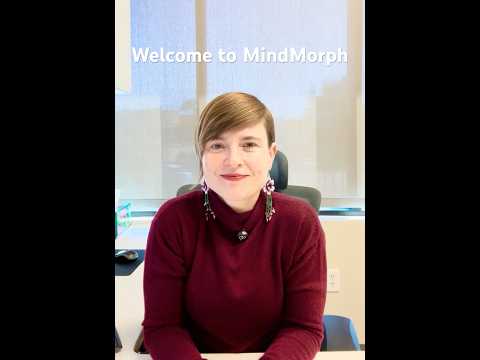
1.Pamela Leigh Gonzales, MS
Online Only
Addiction · ADHD · Grief
orcounselors.com/provider/pamela-leigh-gonzales-or
Self-esteem work is foundational to mental health. Oregon therapists specializing in self-esteem help you challenge negative self-beliefs, build confidence, and develop a healthier relationship with yourself.
1,186 providers found
As of April 2026, hundreds of therapists listed on Oregon Counselors on this directory specialize in self-esteem, self-worth, body image, and inner-critic work. Many offer telehealth, many accept Oregon Health Plan, many offer sliding-scale fees. Effective approaches include Compassion-Focused Therapy (developed specifically for chronic shame and self-criticism), Internal Family Systems (IFS), schema therapy for the deeper templates that drive low self-worth, Acceptance and Commitment Therapy (ACT) for unhooking from self-critical thoughts, and trauma-informed work when self-esteem is rooted in early experiences of rejection, criticism, or neglect. Self-esteem rarely shifts through affirmations alone — sustainable change usually requires understanding where the inner critic came, what it's been protecting you, and what it would take for it to relax.
Enter a city to search within ~30 miles, telehealth therapists are shown statewide.
Showing the first 8 of 1,186 results.
Online Only
Addiction · ADHD · Grief
Telehealth
orcounselors.com/provider/pamela-leigh-gonzales-or
Online Only, Eugene, OR 97401
Addiction · Self Esteem · Trauma and PTSD
Telehealth
orcounselors.com/provider/patricia-crosby-white-eugene-or
Eugene, OR 97405
Addiction · Grief · Obsessive-Compulsive (OCD)
In-person & Telehealth
orcounselors.com/provider/robert-egbert-eugene-or
Portland, OR 97215
Addiction · LGBTQ+ · Self Esteem
In-person & Telehealth
orcounselors.com/provider/samantha-sudano-portland-or
Online Only
Addiction · Anxiety · Self Esteem
Telehealth
orcounselors.com/provider/sarah-campbell-or
Portland, OR 97205
Addiction · Grief · Self Esteem
In-person
orcounselors.com/provider/sarah-zenith-dykes-portland-or
Springfield, OR 97478
Addiction · Anxiety · LGBTQ+
In-person & Telehealth
orcounselors.com/provider/shari-l-turner-springfield-or
Bend, OR 97701
Addiction · LGBTQ+ · Self Esteem
In-person & Telehealth
orcounselors.com/provider/shonna-edwards-bend-or
MSTelehealth
Community listing from public records, not yet authored by the provider.
MS, QMHP-R, CADC-IEugene, ORTelehealth
Community listing from public records, not yet authored by the provider.
LCSWEugene, ORIn-person & Telehealth
Community listing from public records, not yet authored by the provider.
LMHC, LPCPortland, ORIn-person & Telehealth
Community listing from public records, not yet authored by the provider.
LCSWTelehealth
Community listing from public records, not yet authored by the provider.
MS, NCCPortland, ORIn-person
Community listing from public records, not yet authored by the provider.
LCSWSpringfield, ORIn-person & Telehealth
Community listing from public records, not yet authored by the provider.
MCOUN, NCCBend, ORIn-person & Telehealth
Community listing from public records, not yet authored by the provider.
Therapists tagged with this related specialty.

MA, LPC, CADCIPortland, ORIn-person
MSN, NM, PMHNP-BCHillsboro, ORIn-person & Telehealth

LPC, LMFTRedmond, ORIn-person & Telehealth

MA, LPC, NCC, CADC IIEugene, ORIn-person & Telehealth
MA, LPC, CADC IPortland, ORIn-person & Telehealth

Registered Counselor Associate/LPCBend, ORIn-person & Telehealth

LPC, LMHC, ATR-BCPortland, ORIn-person & Telehealth

MA, LMFTWest Linn, ORIn-person & Telehealth
Therapists tagged with this related specialty.

LCSWPortland, ORTelehealth

LPC in Counseling & Certificate in GerontologyPortland, OR
Available statewide, see anyone in Oregon from home.


Fewer than 3 providers match this specialty directly. These licensed Oregon telehealth providers may also be able to help.


PMHNP, FNPPortland, ORIn-person & Telehealth
Meet these providers before you reach out.
From Oregon providers writing about this topic.

I am not a prescriber. I do not recommend medications or comment on what anyone should take. What I can do is explain how the two kinds of help differ, because people are often choosing between them without being told they are not the same thing.

In Oregon, a 14-year-old can consent to their own outpatient mental health treatment. That surprises most parents and most teenagers. Here is what the law actually says and how I work with it in practice.

If you came looking for an autism evaluation, I want to answer that in the first sentence rather than the last. I do not provide one. Here is what I can do instead, and where assessment actually comes from.

Welcome to iFinish Strong Enrichment Center, where we believe that understanding your mental health can be an important step toward healing, growth, and living well. I’m Dr. Sandra Stubbs, and I invite you to visit us at ifscounseling.net. Our website is a great place to learn more about who we…

If you’re constantly overwhelmed, overthinking, or struggling to focus, you might wonder: Is this anxiety – or could it be ADHD? For many women, the answer is surprising. ADHD in women is frequently misdiagnosed as anxiety, leading to years of frustration and treatment that only partially helps. Understanding the difference…

Over the past several years, conversations about mental health have become more common across Oregon. As more people speak up about struggling with mental health issues, the stigma surrounding mental health conditions like depression has shown signs of receding in Oregon. More people are seeking help, employers are expanding mental…
Common questions about this coverage in Oregon.
Hundreds of therapists listed on Oregon Counselors specializing in self-esteem are available across the state, providing support to individuals seeking to improve their self-worth and overall mental well-being. Hundreds of providers offer telehealth sessions, ensuring accessibility for Oregonians regardless of their location. Many therapists accept the Oregon Health Plan (OHP), the state's Medicaid program, which can cover therapy sessions at little or no cost for eligible individuals. Additionally, many therapists offer sliding scale fees, accommodating clients with varying income levels. These therapists employ evidence-based approaches such as Cognitive Behavioral Therapy (CBT), Dialectical Behavior Therapy (DBT), and Acceptance and Commitment Therapy (ACT) to address self-esteem issues.
Oregon Advantage
Oregon leads the nation in access to psychedelic-assisted and integrative mental health therapies.