1.Liza Hadden, Professional Counselor AssociateVerified
70 SW Century Drive, Suite 100, Bend, OR 97702
ADHD · Anxiety · Body Image
HealingFoundationsTherapy.com · orcounselors.com/provider/liza-hadden
Find care in Oregon
Results appear as you type. Press Enter for all results, use the arrow keys to pick one, or ask a question for an answer from the verified directory.
Specialties
Codependency therapy helps you break patterns of excessive caretaking, people-pleasing, and losing yourself in relationships. Oregon codependency therapists guide you toward healthier boundaries and a stronger sense of self.
Effective approaches include attachment-based and relational therapy, Internal Family Systems (the parts that learned to caretake to stay safe), schema therapy, trauma-informed work for the early experiences that wired in the pattern, and group therapy or 12-step programs (CoDA, ACA) as adjuncts. Codependency rarely shifts through willpower or new boundaries alone — sustainable change usually involves understanding what the pattern was protecting you from and what it would take to feel safe being more separate.
Enter a city to search within ~30 miles, telehealth therapists are shown statewide.
172 providers found
8 verified providers.
70 SW Century Drive, Suite 100, Bend, OR 97702
ADHD · Anxiety · Body Image
Telehealth · From $150 per session · Sliding scale · Accepting new clients
HealingFoundationsTherapy.com · orcounselors.com/provider/liza-hadden
1135 SE Salmon St. Suite L5, Portland, OR 97214
Anxiety · Autism · Behavioral Issues
In-person & Telehealth · Sliding scale · Accepting new clients
trueyoutherapyandwellness.com/meet-our-therapists/mackenzie-phelps · orcounselors.com/provider/mackenzie-phelps-portland
1318 NW 20th Ave., Portland, OR 97209
Addiction · ADHD · Alcohol Use
In-person · $150–$200 per session · Sliding scale · Accepting new clients
laurabirchard.com · orcounselors.com/provider/laura-birchard-ma-lpc-depth-psychotherapy-portland
(503) 407-9232
6129 NE Skidmore Street, Portland, OR 97218
ADHD · Anxiety · AuDHD
Telehealth · $150–$175 per session · Accepting new clients
sites.google.com/site/tirzahjacob/Home · orcounselors.com/provider/tirzah-jacob-portland
(541) 357-9968
Online Only, Eugene, OR 97401
Coping Skills · Dual Diagnosis · Family Conflict
Telehealth
calledtohealcounseling.org · orcounselors.com/provider/marlando-lewis-eugene
(503) 208-5566
Portland, OR
ADHD · Anxiety · Bisexual
In-person · $185–$200 per session · Accepting new clients
portalwellnesscollective.com · orcounselors.com/provider/erika-nelson
400 E 2nd Ave, Ste 104E, Eugene, OR 97401
Addiction · ADHD · Alcohol Use
In-person & Telehealth · $150–$250 per session · Sliding scale · Accepting new clients
shaneknoxtherapy.com · orcounselors.com/provider/shane-knox-eugene-1
Lisa Headings, Portland, OR 97215
ADHD · Anxiety · Autism
In-person & Telehealth · $180–$180 per session · Accepting new clients
expressyourpath.com · orcounselors.com/provider/lisa-headings-portland


LPCPortland, ORIn-person & Telehealth


Meet these providers before you reach out.

 LH
Liza Hadden
Professional Counselor Associate · Bend, OR

 MP
Mackenzie Phelps
LPC · Portland, OR

 SK
Shane Knox
LMFT · Eugene, OR

 LH
Lisa Headings
Associate · Portland, OR
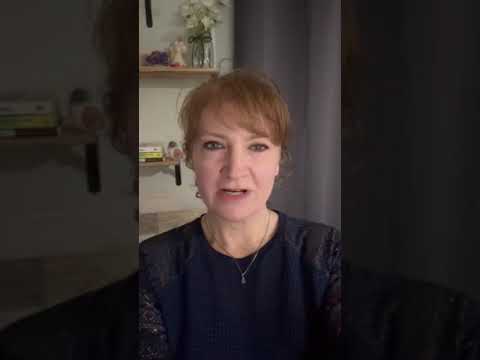
 BS
Beth Stoner
MA, LPC, CCTP-II, ADHD-CCSP · Clackamas, OR
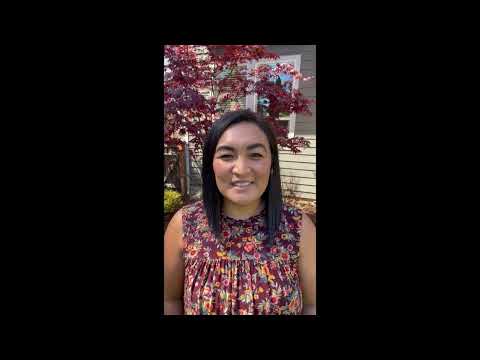
 SD
Sarah Zamiska Dover
LMFT · West Linn, OR
From Oregon providers writing about this topic.
View all resources →Common questions about this coverage in Oregon.
Therapists in Oregon employ evidence-based approaches such as Cognitive Behavioral Therapy (CBT), Dialectical Behavior Therapy (DBT), and Family Systems Therapy to address codependency issues.
Ask the directory
Full pageTell me what you need.
Describe who you are looking for, in plain words. Automated, not a therapist.
