1.Liza Hadden, Professional Counselor AssociateVerified
70 SW Century Drive, Suite 100, Bend, OR 97702
ADHD · Anxiety · Body Image
HealingFoundationsTherapy.com · orcounselors.com/provider/liza-hadden
Find care in Oregon
Results appear as you type. Press Enter for all results, use the arrow keys to pick one, or ask a question for an answer from the verified directory.
Specialties
Stress therapy helps you identify sources of chronic stress and develop effective coping strategies. Oregon stress therapists use CBT, mindfulness, and relaxation techniques to help you regain balance and resilience.
Effective approaches include Cognitive Behavioral Therapy (especially for the thought patterns that fuel chronic stress), Mindfulness-Based Stress Reduction (MBSR — the most-researched stress intervention), Acceptance and Commitment Therapy, somatic and body-based therapies that work directly with the nervous system rather than the narrative, and behavioral coaching around boundaries, workload, and recovery routines. Stress that has tipped into burnout — emotional exhaustion, cynicism, reduced sense of accomplishment — usually requires more than coping skills; it requires structural change to what you're carrying.
Enter a city to search within ~30 miles, telehealth therapists are shown statewide.
301 providers found
Stress also matches related modalities: Mindfulness-Based Stress Reduction. Results below include all of them.
8 verified providers.
70 SW Century Drive, Suite 100, Bend, OR 97702
ADHD · Anxiety · Body Image
Telehealth · From $150 per session · Sliding scale · Accepting new clients
HealingFoundationsTherapy.com · orcounselors.com/provider/liza-hadden
917 Southwest Oak Street, Unit 417B, Portland, OR 97205
Anxiety · Depression · Dual Diagnosis
In-person & Telehealth · Accepting new clients
orcounselors.com/provider/maria-steiner-renoir-mindmorph-llc-portland
(971) 336-4956
6118 SE Belmont St, Ste 403, Portland, OR 97215
Anxiety · Chronic Illness · Chronic Pain
In-person & Telehealth · $150–$300 per session · Accepting new clients
peterhaddy.com/go/orcounselors-site · orcounselors.com/provider/psychedelic-affirming-therapy
(541) 550-7940
296 Southwest Columbia Street, Bend, OR 97702
ADHD · Anxiety · Depression
In-person & Telehealth · $100–$190 per session · Sliding scale · Accepting new clients
bcbtherapy.com · orcounselors.com/provider/randy-wild-bend
Portland, OR, Bend, OR
ADHD · Anger Management · Anxiety
Telehealth · $125–$175 per session · Sliding scale · Accepting new clients
deerbrookcounseling.com · orcounselors.com/provider/bradley-raburn-bend
(541) 414-6171
5441 s macadam ave suite R, Portland, OR 97239
ADHD · ADHD in adults · Anxiety
Telehealth · $160–$200 per session · Sliding scale · Accepting new clients
orcounselors.com/provider/linzy-moore
2515 Portland, OR 97202
Anxiety · Divorce · Liberation-Focused
In-person & Telehealth · $165–$250 per session · Accepting new clients
RobynCullen.com · orcounselors.com/provider/robyn-cullen-portland-or
4800 S Macadam Ave, Portland, OR 97329
ADHD · Anxiety · Autism
In-person & Telehealth · $150–$200 per session · Sliding scale · Accepting new clients
humanistictherapynw.com/our-team · orcounselors.com/provider/steven-ponec-portland


PMHNP, FNPPortland, ORIn-person & Telehealth


Meet these providers before you reach out.
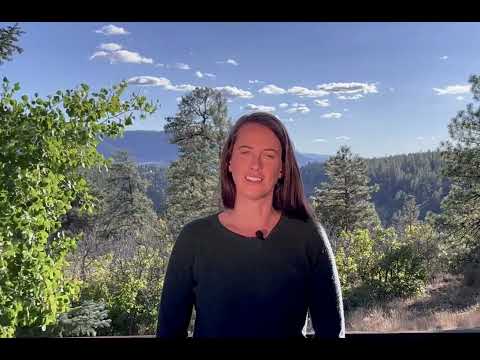
 LH
Liza Hadden
Professional Counselor Associate · Bend, OR
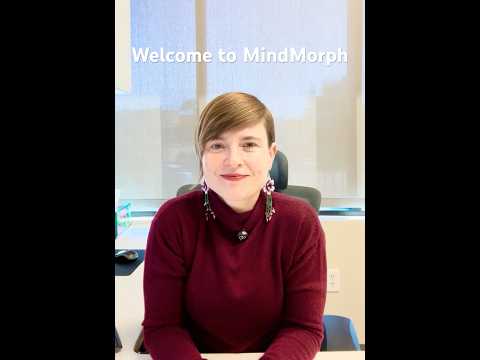
 MM
Maria (Masha) Steiner-Renoir / MindMorph LLC
PMHNP, FNP · Portland, OR
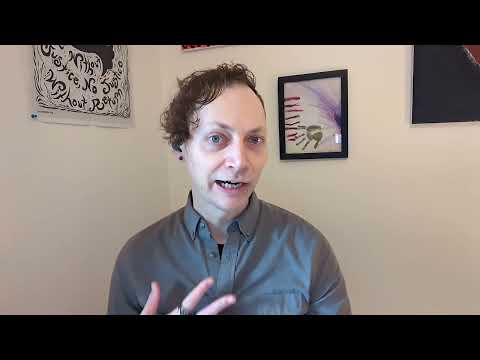
 PA
Peter H Addy
PhD, LPC, LMHC · Portland, OR
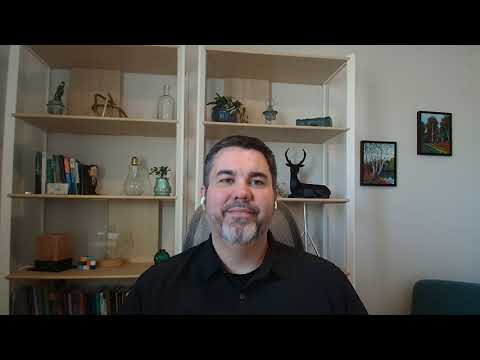
 BR
Bradley Raburn
MA, ID-LCPC, OR-LPC · Bend, OR

 SP
Steven Ponec
Professional Counselor Associate · Portland, OR

 MP
Mackenzie Phelps
LPC · Portland, OR
From Oregon providers writing about this topic.

What the NIH and Cochrane say acupuncture and massage may do for chronic pain, and how a visit works at Mandala Medicine on East Burnside.

Stress and anxiety can feel almost identical in the body. Your chest may feel tight, your thoughts may speed up, your stomach may feel unsettled, and sleep may become harder. Because the symptoms overlap, many people…

Slow breathing has real, measurable effects on the nervous system, and the trial evidence for stress and mood is promising but modest. But not all breathwork is the same, and the high-intensity styles carry safety cautions the marketing tends to skip. Here is the even-handed version.

Some people look calm, capable, and successful on the outside while feeling anxious almost all the time on the inside. They meet deadlines, answer emails, take care of everyone else, and keep moving forward. From the…
Common questions about this coverage in Oregon.
Common evidence-based approaches include Cognitive Behavioral Therapy (CBT), Mindfulness-Based Stress Reduction (MBSR), and Dialectical Behavior Therapy (DBT).
Ask the directory
Full pageTell me what you need.
Describe who you are looking for, in plain words. Automated, not a therapist.