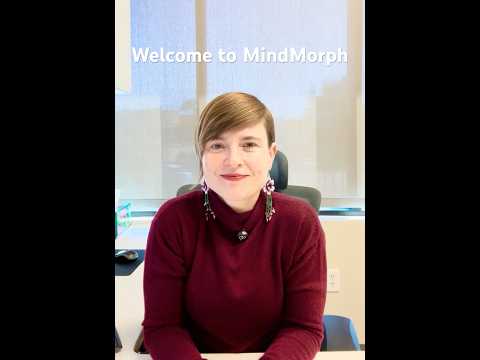
1.Hilary Alison Matthews, LMFT, CADC II, CCTP
Online Only
Addiction · LGBTQ+ · Self Esteem
orcounselors.com/provider/hilary-alison-matthews-or
1,138 providers found
Self-esteem work is foundational to mental health. Oregon therapists specializing in self-esteem help you challenge negative self-beliefs, build confidence, and develop a healthier relationship with yourself.
As of April 2026, 1,138 Oregon therapists on this directory specialize in self-esteem, self-worth, body image, and inner-critic work. 954 offer telehealth, 317 accept Oregon Health Plan, 55 offer sliding-scale fees, and 205 are currently accepting new clients. Effective approaches include Compassion-Focused Therapy (developed specifically for chronic shame and self-criticism), Internal Family Systems (IFS), schema therapy for the deeper templates that drive low self-worth, Acceptance and Commitment Therapy (ACT) for unhooking from self-critical thoughts, and trauma-informed work when self-esteem is rooted in early experiences of rejection, criticism, or neglect. Self-esteem rarely shifts through affirmations alone — sustainable change usually requires understanding where the inner critic came from, what it's been protecting you from, and what it would take for it to relax.
Enter a city to search within ~30 miles, telehealth therapists are shown statewide.
Showing the first 8 of 1,138 results.
Online Only
Addiction · LGBTQ+ · Self Esteem
Telehealth
orcounselors.com/provider/hilary-alison-matthews-or
Serves Area, OR
Addiction · LGBTQ+ · Self Esteem
In-person
orcounselors.com/provider/grace-willson-cantor-serves-area-or
Online Only
Addiction · Grief · Self Esteem
Telehealth
orcounselors.com/provider/jim-hjort-or
Online Only, Camas, WA 98607
Addiction · Self Esteem · Trauma and PTSD
Telehealth
orcounselors.com/provider/anna-sharpe-or
Serves Area, OR
Addiction · Grief · Neurofeedback
In-person
orcounselors.com/provider/dr-chaplain-frederick-d-woods-serves-area-or
Serves Area, OR
Addiction · LGBTQ+ · Self Esteem
In-person
orcounselors.com/provider/skylar-t-tharp-serves-area-or
Serves Area, OR
Addiction · Self Esteem · Trauma and PTSD
In-person
orcounselors.com/provider/tova-mccall-serves-area-or
Online Only
Addiction · LGBTQ+ · Self Esteem
Telehealth
orcounselors.com/provider/natalie-nat-day-or
LMFT, CADC II, CCTPTelehealth
Community listing from public records, not yet authored by the provider.
MA, LPC, LMHC, QSIn-person
Community listing from public records, not yet authored by the provider.
MA, LMHCCamas, ORTelehealth
Community listing from public records, not yet authored by the provider.
ThD, In-person
Community listing from public records, not yet authored by the provider.
PsyDIn-person
Community listing from public records, not yet authored by the provider.
MSW, LCSW, PMH-CIn-person
Community listing from public records, not yet authored by the provider.
LCSWTelehealth
Community listing from public records, not yet authored by the provider.
Therapists tagged with this related specialty.
MSN, NM, PMHNP-BCHillsboro, ORIn-person & Telehealth

LPC, LMFTRedmond, ORIn-person & Telehealth

MA, LPC, NCC, CADC IIEugene, ORIn-person & Telehealth
MA, LPC, CADC IPortland, ORIn-person & Telehealth

MA, LPC, CADCIPortland, ORIn-person

Registered Counselor Associate/LPCBend, ORIn-person & Telehealth

LPC, LMHC, ATR-BCPortland, ORIn-person & Telehealth

MA, LMFTWest Linn, ORIn-person & Telehealth
Therapists tagged with this related specialty.

LCSWPortland, ORTelehealth

LPC in Counseling & Certificate in GerontologyPortland, OR
Available statewide, see anyone in Oregon from home.


Fewer than 3 providers match this specialty directly. These licensed Oregon telehealth providers may also be able to help.


PMHNP, FNPPortland, ORIn-person & Telehealth

Meet these providers before you reach out.
From Oregon providers writing about this topic.

Hello everyone! I'm Cora, owner of Advanced Billing Solutions. I wanted to take a moment to introduce myself and say how happy I am to be part of this community. I've worked in medical billing for over 28 years, with the last 15 years specializing exclusively in behavioral health. Before…

If there is one thing more people should know about borderline personality disorder, it is that its hopeless reputation is decades out of date. BPD is still spoken of, sometimes even within the mental health professions, as though it were a life sentence. The modern research says otherwise: with specialized…

Welcome to the very first Facing Giants newsletter! First, thank you. Whether you've toured the space, attended an event, seen us at a community event, brought your child to play, partnered with us, sponsored our mission, facilitated a program, begun using the space to serve your own clients or grow…

Most licensing guides for Oregon behavioral health programs point operators toward the same two rule sets: the outpatient Certificate of Approval process and the residential substance use disorder rules in OAR chapter 309, division 19. Withdrawal management gets treated as a subheading inside the residential conversation. That is a mistake…

As a therapist, I have complicated feelings about artificial intelligence. When AI became widely available, I was both fascinated and uneasy. Like a lot of people, I wondered where it would take us. Would it improve people's lives? Replace jobs? Weaken human connection? Change healthcare? I still don't know the…

Have you ever wondered if the discontentment or discomfort about your body or perceived identity could be gender dysphoria? For most of us, we are not offered that kind of language or conceptualization to name it for what it is. Before we get into it, let’s differentiate between dysphoria and…
Common questions about this coverage in Oregon.
1,138 Oregon therapists specializing in self-esteem are available across the state, providing support to individuals seeking to improve their self-worth and overall mental well-being. 954 of these providers offer telehealth sessions, ensuring accessibility for Oregonians regardless of their location. 317 therapists accept the Oregon Health Plan (OHP), the state's Medicaid program, which can cover therapy sessions at little or no cost for eligible individuals. Additionally, 90 therapists offer sliding scale fees, accommodating clients with varying income levels. 205 providers are currently accepting new clients, and 104 offer in-person sessions. These therapists employ evidence-based approaches such as Cognitive Behavioral Therapy (CBT), Dialectical Behavior Therapy (DBT), and Acceptance and Commitment Therapy (ACT) to address self-esteem issues.
Oregon Advantage
Oregon leads the nation in access to psychedelic-assisted and integrative mental health therapies.