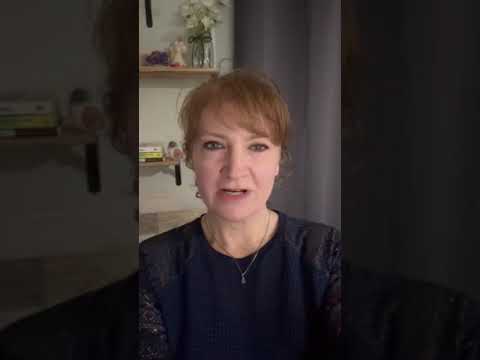
1.Vivian Tejera, Clinical Social Work/Therapist, MSW, LCSW, LICSWVerified
(321) 382-5192
Telehealth across Oregon
Anxiety · Codependency · Self Esteem
orcounselors.com/provider/vivian-tejera-virtualtelehealth
Find care in Oregon
Results appear as you type. Press Enter for all results, use the arrow keys to pick one, or ask a question for an answer from the verified directory.
Specialties
Codependency therapy helps you break patterns of excessive caretaking, people-pleasing, and losing yourself in relationships. Oregon codependency therapists guide you toward healthier boundaries and a stronger sense of self.
Effective approaches include attachment-based and relational therapy, Internal Family Systems (the parts that learned to caretake to stay safe), schema therapy, trauma-informed work for the early experiences that wired in the pattern, and group therapy or 12-step programs (CoDA, ACA) as adjuncts. Codependency rarely shifts through willpower or new boundaries alone — sustainable change usually involves understanding what the pattern was protecting you from and what it would take to feel safe being more separate.
Enter a city to search within ~30 miles, telehealth therapists are shown statewide.
172 providers found
8 verified providers.
(321) 382-5192
Telehealth across Oregon
Anxiety · Codependency · Self Esteem
Telehealth · $150–$225 per session · Accepting new clients
orcounselors.com/provider/vivian-tejera-virtualtelehealth
(503) 683-1704
Portland, OR
Anxiety · Codependency · Depression
Telehealth · $225–$250 per session · Accepting new clients
orcounselors.com/provider/shane-fortner
(503) 884-3783
2001 Commercial Street Southeast Suite 200, Salem, OR 97302
Anxiety · Cancer · Chronic Pain
In-person & Telehealth · From $195 per session · Sliding scale · Accepting new clients
orcounselors.com/provider/kim-poage-salem
(360) 340-9164
10000 Ne 7th ave. suite 100-L, Vancouver, WA 98685
Addiction · Alcohol Use · Anxiety
In-person & Telehealth · $120–$185 per session · Sliding scale · Accepting new clients
orcounselors.com/provider/dr-javeen-skoubo-vancouver
(877) 700-4001
9400 Southwest Beaverton Hillsdale Highway, Beaverton, OR 97005
Addiction · ADHD · Adoption
In-person & Telehealth · $150–$150 per session · Accepting new clients
peacefulheartss.org · orcounselors.com/provider/peaceful-hearts-group-practice-beaverton-or-97005-beaverton
(971) 202-0482
917 Southwest Oak Street, Portland, OR 97205
Addiction · Alcohol Use · Codependency
In-person & Telehealth · $100–$150 per session · Sliding scale · Accepting new clients
hogantherapy.com · orcounselors.com/provider/kim-hogan
300 SE Reed market Rd, Bend, OR 97702
Anger Management · Anxiety · Behavioral Issues
In-person & Telehealth · From $125 per session · Sliding scale · Accepting new clients
orcounselors.com/provider/shakari-carson-bend
(503) 908-9246
Oregon and Washington, Portland, OR 97206
Anxiety · Codependency · Divorce
Telehealth · $180–$200 per session · Sliding scale · Accepting new clients
lindanguyentherapy.com · orcounselors.com/provider/linda-nguyen-portland


MS, CRC, Professional Counselor AssociateSalem, ORIn-person & Telehealth

Psychologist, PsyDVancouver, WAIn-person (Vancouver, WA) & Telehealth

LPCBeaverton, ORIn-person & Telehealth


Meet these providers before you reach out.

 LH
Liza Hadden
Professional Counselor Associate · Bend, OR

 MP
Mackenzie Phelps
LPC · Portland, OR

 SK
Shane Knox
LMFT · Eugene, OR
 BS
Beth Stoner
MA, LPC, CCTP-II, ADHD-CCSP · Clackamas, OR

 SD
Sarah Zamiska Dover
LMFT · West Linn, OR

 NL
Natasha Lopez LLC
LPC · Portland, OR
From Oregon providers writing about this topic.
View all resources →Common questions about this coverage in Oregon.
Therapists in Oregon employ evidence-based approaches such as Cognitive Behavioral Therapy (CBT), Dialectical Behavior Therapy (DBT), and Family Systems Therapy to address codependency issues.
Ask the directory
Full pageTell me what you need.
Describe who you are looking for, in plain words. Automated, not a therapist.
