This lesson is for a therapist whose website works and whose Google Business Profile is verified, and who is now wondering whether paying Google for a spot above the map is worth it. I run two small search campaigns for this directory, so I can show you the shape of a real account rather than a hypothetical one. Everything here with a dollar sign on it comes from my own account, unaudited, as of mid-September 2026. The policy statements come from Google's own help pages, linked at each step. The lesson also explains the "Apply for healthcare certification" prompt Google shows every advertiser in this field, and why a general counseling practice leaves it alone.
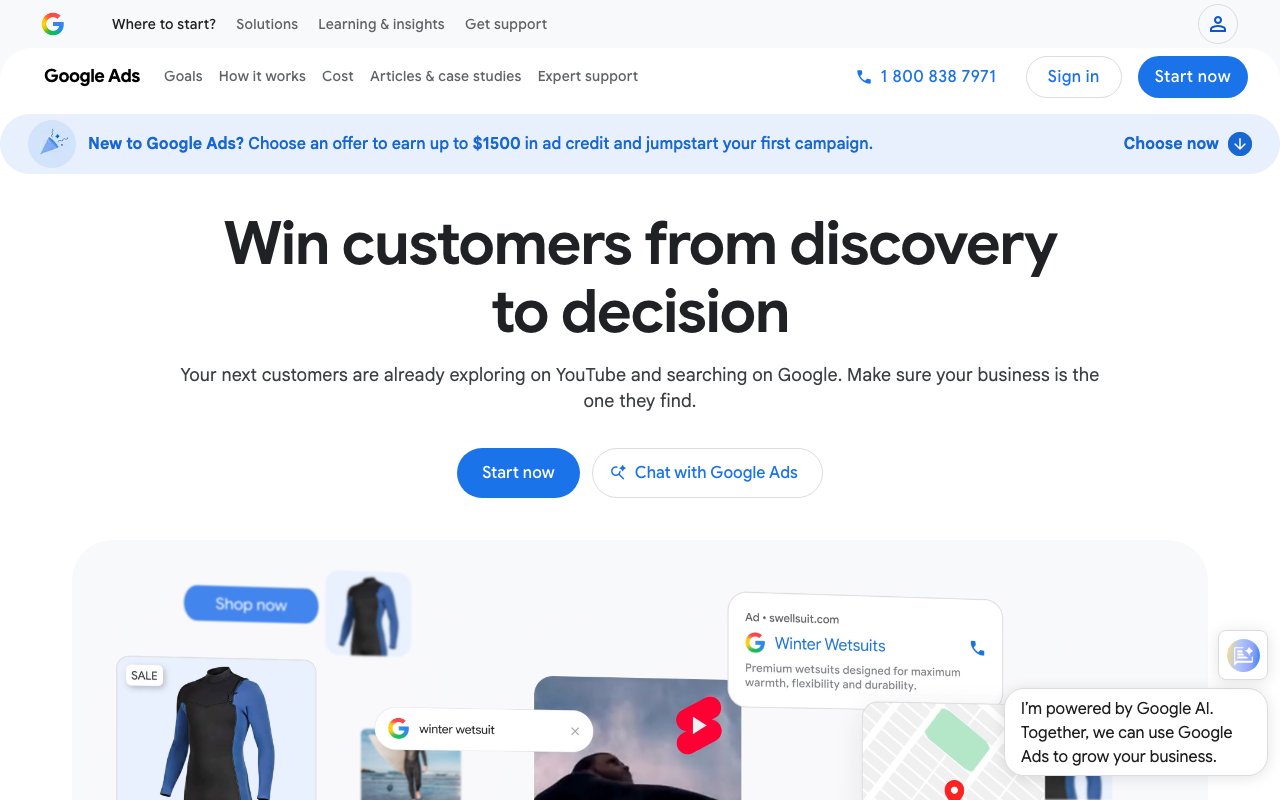
1. Open the account
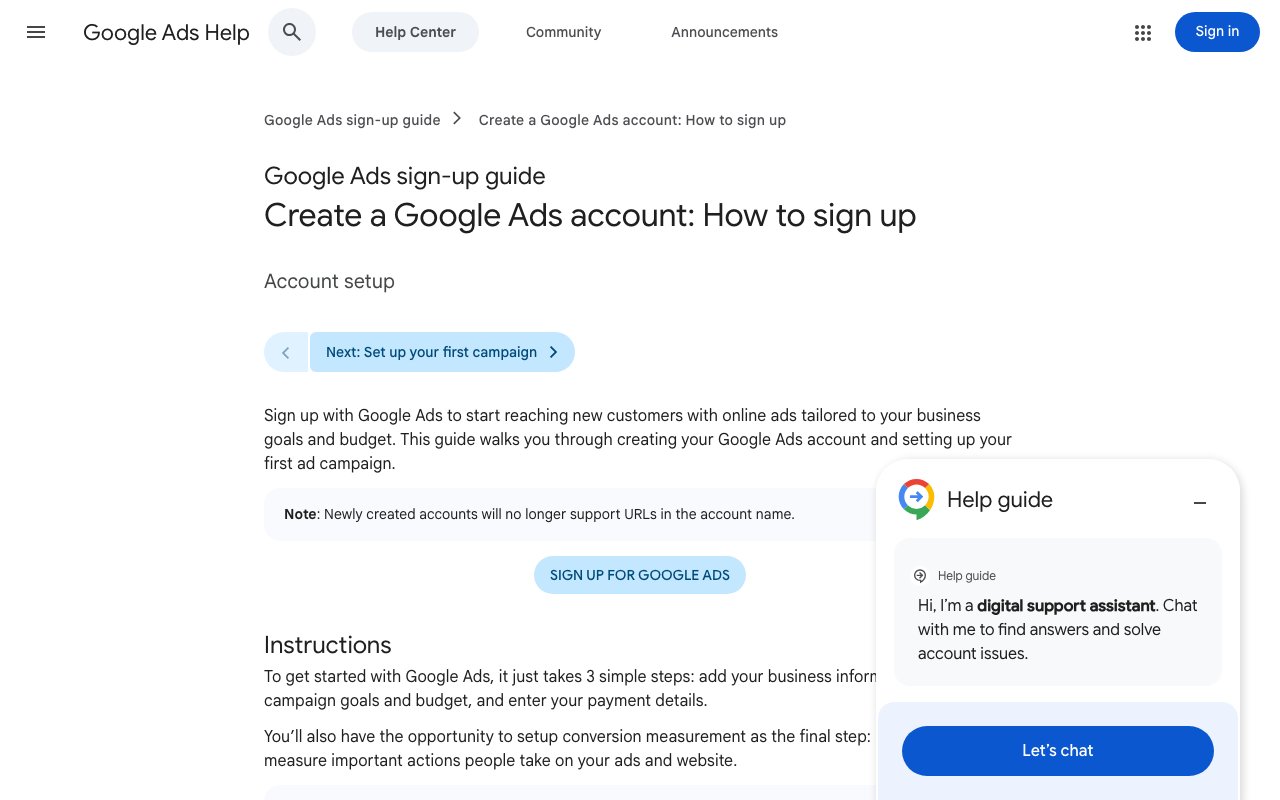
Google's sign-up guide describes account creation as three steps: add your business information, choose a campaign goal and budget, and enter payment details. The same page says that if you pay by card "you might see a temporary authorization on your card account, which is typically removed within a week." I could not find a minimum budget named anywhere in that guide, and my own account has never been held to one. Use the practice's email address, not a personal one, so whoever helps you later can be added without being handed your inbox.
2. Shape the campaign
Here is the shape of the two campaigns on this directory's account. Both are Search campaigns: text ads on the results page, shown to people who typed a search.
| Campaign | Daily budget | Cost-per-click cap | Where it runs | Ad groups |
|---|---|---|---|---|
| Client search | $12 | $6 | 8 Oregon cities | 5 |
| Provider search | $10 | $8 | Oregon statewide | 2 |
I keep the Display Network and search partners switched off so the money stays on the results page. The client campaign runs on Maximize Clicks with the cap above. An earlier automated campaign at $9.50 a day was paused once these two were running, because it gave me less say over which searches I paid for. Each ad group sends people to the page that matches the search, not the homepage. All of that is my choice, not a Google rule.
3. Set a budget you can leave alone for a month
Combined, the account spends $22 a day, about $660 a month. Google offered a "spend $500, get $500" credit at sign-up. Two things I learned from it: the credit runs out without a warning and billing simply continues, and a first month spent on the credit tells you what the second month will cost. Look at the billing page weekly rather than the campaign page daily. There is no benchmark in this lesson for what a click should cost a therapist, because I have not seen a number I could trace to a source, and I will not invent one.
4. The healthcare certification prompt, and why I left it alone
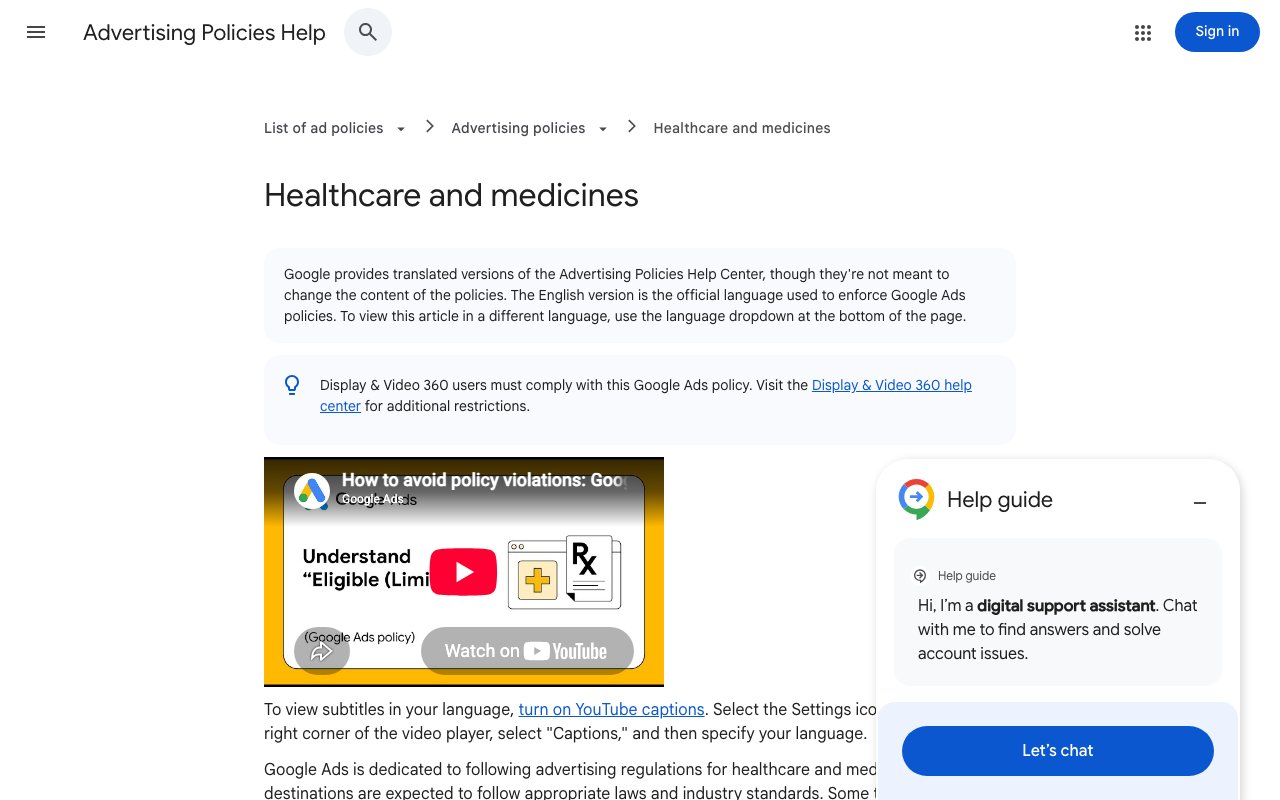
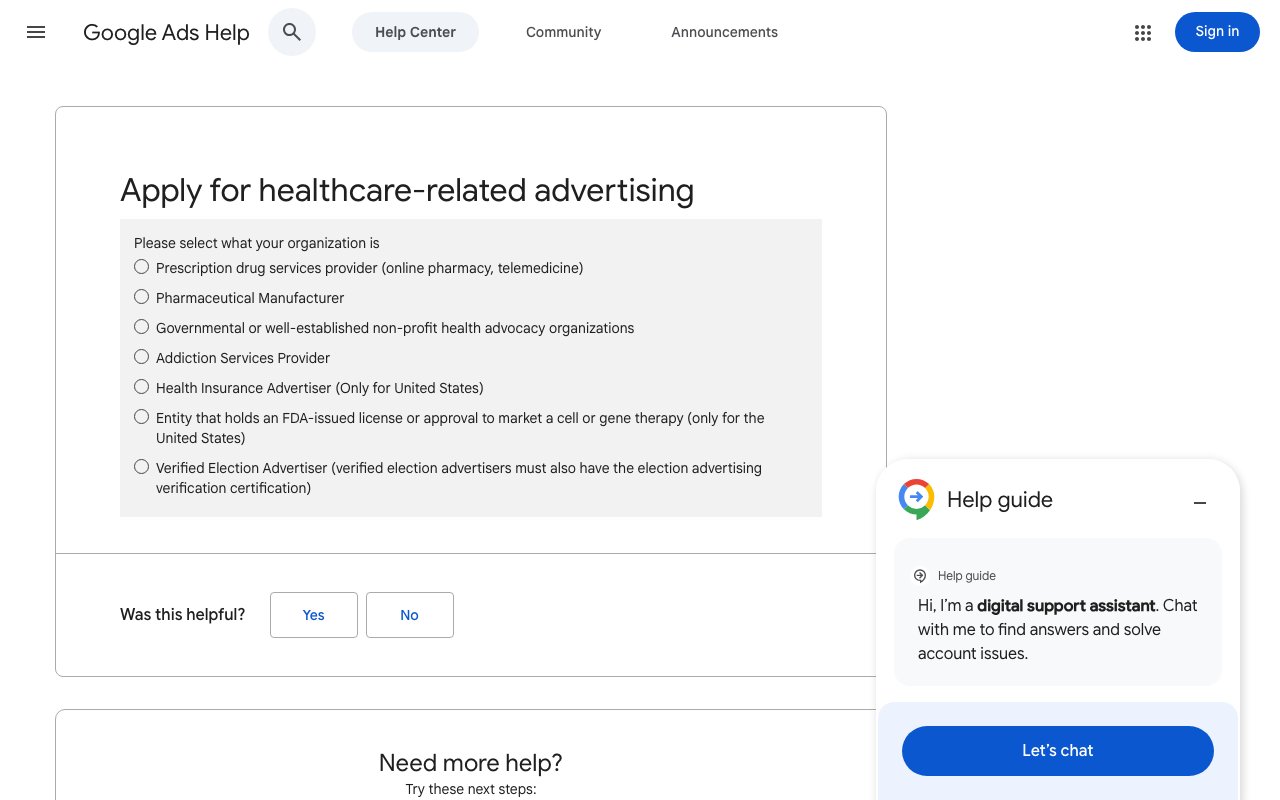
At setup Google flagged my account with two prompts: "Apply for healthcare certification" and "Apply for financial products." They look like tasks. They are category checks. Google's Healthcare and medicines policy says some healthcare content "can't be advertised at all, while others can only be advertised in certain locations by advertisers who have applied and been approved." The application form then asks what your organization is, and the choices are: prescription drug services provider (online pharmacy, telemedicine), pharmaceutical manufacturer, governmental or well-established non-profit health advocacy organization, addiction services provider, health insurance advertiser (United States only), holder of an FDA license for a cell or gene therapy (United States only), and verified election advertiser. A counseling practice is not on that list. I did not submit the form, and both campaigns have run since without it. Who does need it, and what the process looks like, is the next lesson: LegitScript certification: who needs it.
One related disapproval, so you recognize it when it happens: a sitelink of mine named a prescription medication used in a treatment offered by a practice listed on this site. Google disapproved the sitelink under its drug terms rules. The fix was removing the drug name, not certifying. Google's page on restricted drug terms draws the line in the United States at keyword-targeting a prescription drug term, which needs certification, versus using the term in an ad or landing page, which does not.
5. Track something before you spend
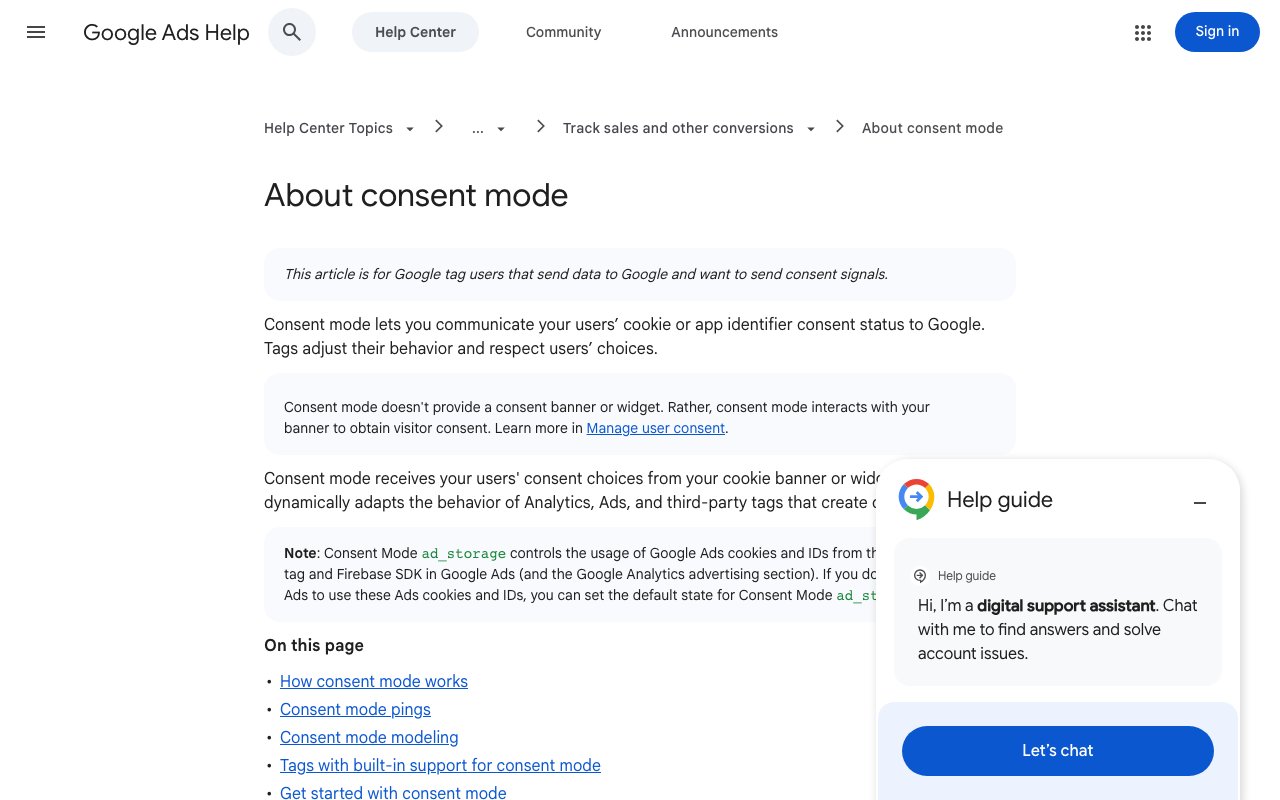
A campaign with no conversion tracking tells you what clicks cost and nothing about what they produced. Decide what a conversion is for you (a call, a contact form, a booking page view) and set it up before the first ad runs. If your site shows a cookie banner, Google's consent mode page explains the mechanism: "Consent mode lets you communicate your users' cookie or app identifier consent status to Google." The setup page assumes you already have a banner; its first instruction is to have a way to obtain consent before you configure anything. If you have no banner and do not need one, skip this step and come back when you do.
6. Local Services Ads is a different product, and counseling is not on its list
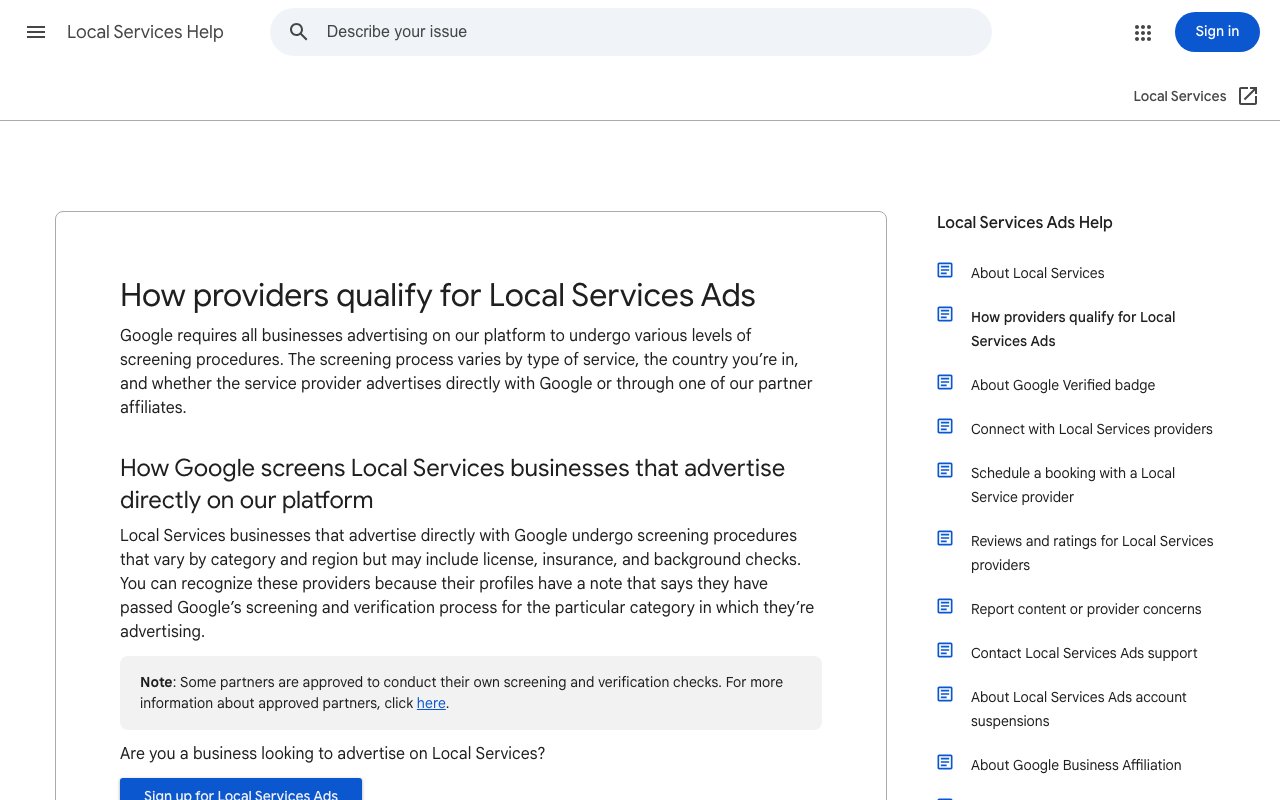
The "Google Guaranteed" badge you see on plumbers and dentists comes from Local Services Ads. Google's qualification page says its screening "may include license, insurance, and background checks." The getting-started page lists the eligible categories; on the day I checked it named dentists, massage therapists, physical therapists, primary care physicians and yoga studios, and I could not find counseling or mental health anywhere on it. Check the page yourself, since the list changes, but do not plan a practice's marketing around a badge that is not on offer.
7. What to expect
- Clicks, not clients. A click lands on your page, and the page does the rest. If the page is thin, fix it first: therapy website essentials.
- A disapproval is a notice, not a ban. Read the policy it names, change the ad or the page, resubmit.
- The credit ends silently. Set a reminder for thirty days after launch and open the billing page.
- Reviews in ad copy follow your board, not Google. The testimonial rule and the exact Oregon wording are in Meta ads and the rules for therapists, and they apply on any platform.
This is my own account and Google's linked pages, not marketing or legal advice. The attached checklist is the order I would do it in.
Sources
- “Create a Google Ads account: How to sign up.” Google Ads Help. Three-step sign-up; temporary card authorization; no minimum budget named. https://support.google.com/google-ads/answer/6366720?hl=en (accessed Sep 24, 2026).
- “Healthcare and medicines.” Google Advertising Policies Help. Overview: some content cannot be advertised, some only by approved advertisers in certain locations. https://support.google.com/adspolicy/answer/176031?hl=en (accessed Sep 24, 2026).
- “Apply for healthcare-related advertising.” Google Ads Help. The seven organization types that apply; counseling practices are not listed. https://support.google.com/google-ads/troubleshooter/6099627?hl=en (accessed Sep 24, 2026).
- “Restricted drug terms.” Google Advertising Policies Help. US: drug terms in ads and pages without certification; keyword-targeting requires it. https://support.google.com/adspolicy/answer/15595717?hl=en (accessed Sep 24, 2026).
- “About consent mode.” Google Ads Help. Quoted definition of consent mode. https://support.google.com/google-ads/answer/10000067?hl=en (accessed Sep 24, 2026).
- “Set up consent mode.” Google Ads Help. Assumes an existing consent banner. https://support.google.com/google-ads/answer/14009635?hl=en (accessed Sep 24, 2026).
- “How providers qualify for Local Services Ads.” Local Services Help. Screening may include license, insurance and background checks. https://support.google.com/localservices/answer/6230381?hl=en (accessed Sep 24, 2026).
- “Getting started with Local Services Ads - United States.” Local Services Help. Eligible category list; no counseling or mental health category found on 2026-09-24. https://support.google.com/localservices/answer/6224841?hl=en (accessed Sep 24, 2026).
- “Reach Customers Across YouTube & Search - Google Ads.” Google Ads. Homepage screenshot only. https://ads.google.com/ (accessed Sep 24, 2026).
Documents
Templates and worksheets that go with this lesson.
Google Ads launch checklist for a therapy practice