Depression Therapy in Oregon

274 providers found

Oregon therapists treating depression, persistent depressive disorder, bipolar depression, postpartum depression, treatment-resistant depression, and depression with co-occurring conditions.

Oregon Counselor Directory lists 274 therapists who specialize in depression as of April 2026 — including major depressive disorder, persistent depressive disorder (dysthymia), postpartum depression, seasonal affective disorder, and depression with co-occurring anxiety, trauma, or grief. 105 offer telehealth across Oregon, 42 accept Oregon Health Plan, 52 offer sliding-scale fees, and 136 are currently accepting new clients. Effective treatments include Cognitive Behavioral Therapy (CBT), Behavioral Activation (the most-evidenced fast-acting depression intervention), Interpersonal Psychotherapy (IPT), Mindfulness-Based Cognitive Therapy (MBCT) for relapse prevention, and Acceptance and Commitment Therapy (ACT). For depression that hasn't responded to two or more medication trials (treatment-resistant depression), Oregon clinics also offer TMS, the SAINT accelerated TMS protocol, and ketamine / esketamine — all paired with talk therapy for the most durable results.

274providers listed
Licensed& verified
Telehealthoptions
OHP & insuranceaccepted
Refine

Filters

City or ZIP

Specialty

Modality

Insurance

Gender

Faith integration

Client age

Options

Featured Clinic

BCBTherapy

Bend Telehealth In-person OHP
Anxiety Depression
BCBTherapy logo
Visit clinic
Accepting
Fee
Up to $220 /session

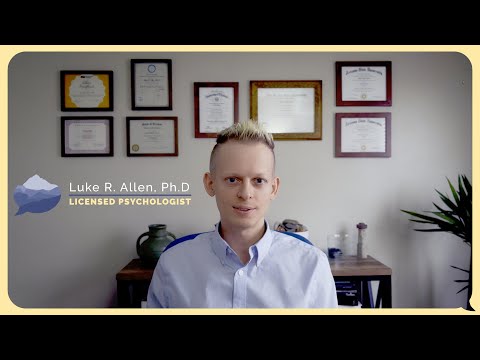
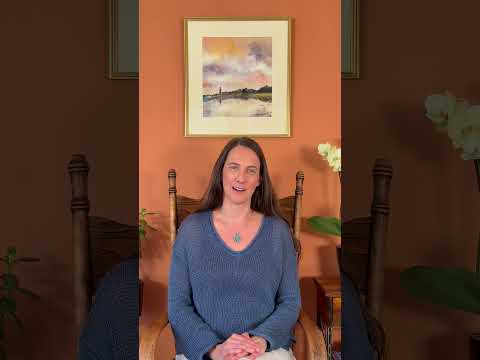
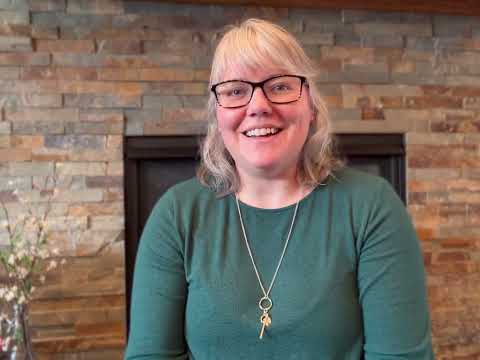
Video Introductions

Meet these providers before you reach out.

Related Articles

From Oregon providers writing about this topic.

Is Psychodynamic Psychotherapy “Evidence-Based?” What Does “Evidence-Based” Mean?

Is Psychodynamic Psychotherapy “Evidence-Based?” What Does “Evidence-Based” Mean?

If you’re looking for a therapist—whether here in Portland or the surrounding areas—you’ve likely come across the term “evidence-based.” It’s used often, but not always explained. What does evidence-based actually mean? Evidence-based treatment means an approach towards mental health care that has been studied using systematic, empirical research. A speci

Laura Birchard MA LPC Depth Psychotherapy
What I Learned from Goodbye

What I Learned from Goodbye

The first time the floor fell out from under me, I was only ten years old. My mother died just six months after being diagnosed with cancer, a timeline so fast it felt less like a passing and more like a theft. By the time I got to college, I…

Leah Burke
Ketamine Therapy in Oregon: How Clinics, Insurance, and Integration Practice Have Matured

Ketamine Therapy in Oregon: How Clinics, Insurance, and Integration Practice Have Matured

Ketamine is the only psychedelic legally available by prescription in Oregon. Here's how the clinic landscape, insurance coverage, dosing protocols, and integration support have evolved — and what makes a good ketamine treatment program in 2026.

Oregon Psychedelic Integration
Cognitive Distortions: A Self-Inventory for Catching the Ten Most Common Thinking Traps

Cognitive Distortions: A Self-Inventory for Catching the Ten Most Common Thinking Traps

A self-inventory of the ten most-common thinking traps — the emotional signature each one produces, the specific situations they show up in, and the corrective practice that weakens each pattern over time.

Cognitive Tools Network
View all resources →

Frequently asked questions

Common questions about this coverage in Oregon.

How do I know if I have depression or am just going through a rough patch?
A useful rule of thumb: if low mood, low energy, loss of interest, or persistent hopelessness has lasted more than two weeks and is interfering with your work, sleep, or relationships, it's worth a clinical conversation. Therapists don't diagnose lightly — most use validated screeners like the PHQ-9 in the first session to distinguish between clinical depression, grief, burnout, and adjustment reactions. Of the 274 depression specialists on this directory, almost all offer a free 15-minute consult so you can describe what you're feeling without committing to a course of treatment.
What's the difference between CBT and DBT for depression?
CBT (Cognitive Behavioral Therapy) is the standard first-line treatment for depression — it focuses on the thought patterns and behaviors that maintain low mood, with concrete homework between sessions. DBT (Dialectical Behavior Therapy) was developed for chronic suicidality and emotion-dysregulation patterns, and it adds skills training in mindfulness, distress tolerance, and interpersonal effectiveness — useful when depression co-occurs with self-harm, eating issues, or borderline traits. For garden-variety depression, CBT is the more efficient fit.
Can I get depression therapy through OHP / Oregon Health Plan?
Yes. {{ohp_count}} of our depression specialists accept OHP, and Oregon's CCO system means most of those providers work directly with HealthShare, CareOregon, Trillium, PacificSource, or Yamhill CCO. The first step is finding an OHP-accepting provider with openings (filter for "Accepting clients" on this page) and calling them — they'll handle the prior-authorization paperwork on their end.
Is depression really a chemical imbalance, or is that outdated?
The "low serotonin" model is now considered an oversimplification — depression is more accurately understood as the result of stress, learned thought patterns, biology, sleep, social isolation, and inflammation interacting. That doesn't mean medication doesn't help (SSRIs do work for moderate-to-severe depression), but it explains why therapy alone is often as effective as medication for mild-to-moderate cases — and why combining the two outperforms either alone for severe cases.
How do I find a depression therapist who won't judge me?
A good fit is the single biggest predictor of therapy outcomes — bigger than the modality the therapist practices. Most therapists offer a free 15-minute phone consult; use it. Ask: "How do you typically work with depression?" and "Have you worked with someone like me before?" Listen for genuine warmth and curiosity, not a sales pitch. Of the 274 depression specialists here, {{telehealth_count}} offer telehealth so you're not limited to your immediate area when looking for the right fit.
How quickly should I expect to feel better in depression therapy?
Most clients notice some shift within 4–6 weeks of consistent weekly sessions — usually it shows up first as more energy, slightly better sleep, or one fewer dark day per week. Full remission of moderate depression typically takes 12–20 sessions. If you're not seeing any change after 8 sessions, that's a sign to talk to your therapist about adjusting the approach or, if appropriate, adding a medication consult.
What is treatment-resistant depression, and how do I know if I have it?
Depression is generally called treatment-resistant when you have tried at least two different antidepressants at adequate doses and durations (6–8 weeks each) without meaningful improvement. About one-third of people with major depression do not fully respond to a first medication, so this is more common than people realize. Oregon options for treatment-resistant depression include TMS (a non-invasive magnetic stimulation FDA-cleared since 2008), the SAINT accelerated TMS protocol (50–79% remission in one week), ketamine and esketamine (Spravato), and ECT for severe cases. A psychiatrist or psychiatric nurse practitioner can guide that path; most still pair it with talk therapy.
Is ketamine therapy for depression covered by Oregon insurance?
Coverage is split. Esketamine (Spravato) — the FDA-approved nasal spray version — is covered by most commercial Oregon insurance and OHP for treatment-resistant depression, with prior authorization. Off-label IV or IM ketamine and ketamine-assisted psychotherapy (KAP) are usually self-pay, $400–$700 per session in Oregon, with some clinics offering 6-session packages for $2,500–$4,000. Some clinics will provide a superbill for partial out-of-network reimbursement. Always confirm coverage with your specific plan before booking.
Should I try TMS or SAINT before a third antidepressant?
Increasingly, yes — that is the conversation many Oregon psychiatrists are having in 2026. TMS has fewer systemic side effects than another medication trial and often works when SSRIs and SNRIs have not. Standard TMS runs about 6 weeks, daily 20-minute sessions; the SAINT accelerated protocol compresses the entire course into 5 days of in-clinic work and shows higher remission rates in early studies. Both are FDA-cleared and increasingly covered by Oregon insurance for treatment-resistant depression. Talk to your prescriber about timing — many people pair TMS with weekly therapy for the most durable result.
How do I know if I need medication, therapy, or both for depression?
Mild-to-moderate depression often responds well to therapy alone — CBT, behavioral activation, IPT, and mindfulness-based approaches all have strong evidence. Severe depression, depression with suicidal ideation, or depression that has lasted longer than two years usually responds faster with both. The honest answer: if you are functioning (working, sleeping, eating) but feel persistently flat or hopeless, start with therapy. If you cannot get out of bed or are losing significant weight, see a prescriber first to stabilize, then add therapy. A good Oregon therapist will tell you within the first 2–3 sessions whether they think medication would help.
Is what I'm feeling depression, burnout, or just exhaustion?
There's real overlap. Burnout is typically tied to a specific overload — work, caregiving, prolonged stress — and lifts (slowly) when the load comes off. Clinical depression persists across contexts, even on vacation, and includes a loss of pleasure in things that used to feel good (anhedonia), changes in sleep and appetite, and a sense of hopelessness or worthlessness. Many Oregon clients show up burned out and discover depression underneath; many show up depressed and find the depression resolves once burnout is addressed. A good first session can usually tell which is dominant.
Why does my depression feel worse in the morning?
Diurnal mood variation — feeling worst on waking, slightly better as the day goes on — is a hallmark of melancholic depression. It's tied to cortisol cycles and circadian disruption rather than anything you're doing wrong. Behavioral activation therapy specifically addresses this with structured morning routines, light exposure within 30 minutes of waking, and small accomplishment-based wins to disrupt the morning paralysis pattern. If mornings are when you most consider not getting up, tell your therapist directly — they can target it.
I've heard exercise treats depression. Do I really need therapy too?
Exercise is a legitimate, evidence-based depression treatment — meta-analyses put 30 minutes of moderate aerobic activity 3–5x/week roughly on par with first-line antidepressants for mild-to-moderate depression. The catch: severely depressed people can't reliably exercise, which is the trap. Therapy helps with the activation problem, with co-occurring rumination and self-criticism, with thought patterns that exercise alone won't shift, and with the underlying causes (relationships, trauma, life transitions). Many Oregon therapists weave exercise prescriptions into the work rather than treating it as separate.
How long should I stay in therapy after I start feeling better?
Long enough to consolidate the gains. Stopping the moment you feel better is the most common reason depression returns — symptoms remit before the underlying patterns have shifted. Standard practice is to taper from weekly to every-other-week to monthly maintenance over about 3 months once symptoms are gone, then check in quarterly for the first year. Mindfulness-Based Cognitive Therapy was specifically designed to prevent depression relapse and is offered by many Oregon therapists as a follow-on group format.
Does talk therapy really help depression?
Yes — for mild to moderate depression, therapy (especially CBT, behavioral activation, and interpersonal therapy) is as effective as medication for many people, and it lowers the risk of relapse. For moderate to severe depression, combining therapy with medication tends to work best. A licensed therapist can help you weigh the options.
How long before depression therapy starts working?
Behavioral activation and CBT often produce noticeable shifts within 4–8 weeks, with a common course of 12–20 sessions. Because depression saps motivation, the hardest part is usually starting — many Oregon therapists offer telehealth to lower that barrier.
How do I pay for depression therapy in Oregon if money is tight?
Most Oregon plans and the Oregon Health Plan (OHP) cover therapy, frequently at low or no cost on OHP. If you're uninsured or underinsured, filter this page for 'Sliding scale' to find therapists who adjust fees to your income, or 'OHP / Oregon Health Plan' if you qualify.
When is depression serious enough to see a professional?
Reach out if low mood, loss of interest, sleep or appetite changes, or hopelessness last more than two weeks or affect daily life. If you have thoughts of suicide or self-harm, call or text 988 (the Suicide & Crisis Lifeline) right away — then a therapist can help with ongoing care.

Oregon Cities

Specialties

Therapy Modalities

Alternative Therapies

Oregon Advantage

Oregon leads the nation in access to psychedelic-assisted and integrative mental health therapies.

View all Oregon therapies →