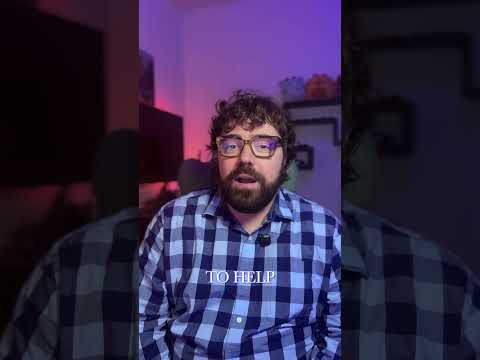
1.Steven Ponec, Professional Counselor AssociateVerified
4800 S Macadam Ave, Portland, OR 97329
ADHD · Anxiety · Autism
humanistictherapynw.com/our-team · orcounselors.com/provider/steven-ponec-portland
Find Oregon therapists who practice Dialectical Behavior (DBT).
185 providers found
As of April 2026, many therapists listed on Oregon Counselors specialize in Dialectical Behavior (DBT) therapy. This approach, which integrates acceptance and change strategies, is widely used for managing emotional dysregulation and improving interpersonal effectiveness. Many providers offer telehealth sessions, making DBT accessible to Oregonians across the state. Many therapists accept the Oregon Health Plan (OHP), and many offer sliding scale fees, ensuring financial accessibility. These therapists may utilize DBT's structured techniques to address a range of concerns, including borderline personality disorder, self-harm, and suicidal ideation.
Enter a city to search within ~30 miles, telehealth therapists are shown statewide.
8 verified providers.
4800 S Macadam Ave, Portland, OR 97329
ADHD · Anxiety · Autism
In-person & Telehealth · $150–$200 per session · Sliding scale · Accepting new clients
humanistictherapynw.com/our-team · orcounselors.com/provider/steven-ponec-portland
2206 SE Washington St., Milwaukie, OR 97222
Anxiety · Autism · Behavioral Issues
In-person & Telehealth · Sliding scale · Accepting new clients
trueyoutherapyandwellness.com/meet-our-therapists/mackenzie-phelps · orcounselors.com/provider/mackenzie-phelps-milwaukie
(971) 315-9150
12042 SE Sunnyside Rd. #597, Clackamas, OR 97015
ADHD · Anger Management · Anxiety
Telehealth · $165–$175 per session · Sliding scale · Accepting new clients
silversparrowtherapy.com · orcounselors.com/provider/beth-stoner
(971) 258-0497
1110 SE Alder Ste 301, PMB#021, Portland, OR 97214
Addiction · ADHD · Alcohol Use
In-person & Telehealth · $165–$210 per session · Accepting new clients
psychologytoday.com/us/therapists/introspective-collective-portland-or/1547951 · orcounselors.com/provider/justine-elstad
(503) 754-4939
10151 SW BARBUR BLVD STE 10149C, Portland, OR 97219
Addiction · ADHD · Anxiety
In-person & Telehealth · $60–$120 per session · Sliding scale · Accepting new clients
exoduscounseling.com · orcounselors.com/provider/natasha-lopez-llc
(360) 980-7906
28925 SW Boberg Rd, Wilsonville, OR 97070
Addiction · ADHD · Anger Management
In-person & Telehealth · $160–$160 per session · Accepting new clients
anlcc.com/professional-counselors/brad-peterson · orcounselors.com/provider/brad-peterson
1620 SE Claybourne St Ste A203, Portland, OR 97202
Anger Management · Anxiety · Depression
In-person & Telehealth · $100–$125 per session · Sliding scale · Accepting new clients
existence-counseling.com · orcounselors.com/provider/matthew-hammond-portland
(503) 893-4508
Portland, OR 97003
Anger Management · Anxiety · Infidelity
Telehealth · $150–$175 per session · Sliding scale · Accepting new clients
pinkskycounseling.net/contact · orcounselors.com/provider/skyler-pink-portland

Professional Counselor AssociatePortland, ORIn-person & Telehealth

Licensed Professional Counselor; Marriage & Family Therapist AssociateMilwaukie, ORIn-person & Telehealth

MA, LPC, CCTP-II, ADHD-CCSPClackamas, ORTelehealth
LCSWPortland, ORIn-person & Telehealth

LPCPortland, ORIn-person & Telehealth

LPC, LMHCWilsonville, ORIn-person & Telehealth

Professional Counselor Associate, MAPortland, ORIn-person & Telehealth

MFT-APortland, ORTelehealth
Meet these providers before you reach out.
From Oregon providers writing about this topic.

What is a psychiatrist? A psychiatrist is a medical doctor who specializes in diagnosing and treating mental health conditions. Psychiatrists may use medication, psychotherapy, lifestyle recommendations, care coordination, or a combination of approaches. Common conditions they treat include anxiety disorders, depression, bipolar disorder, PTSD, and schizophrenia. What training do

I am not a prescriber. I do not recommend medications or comment on what anyone should take. What I can do is explain how the two kinds of help differ, because people are often choosing between them without being told they are not the same thing.

In Oregon, a 14-year-old can consent to their own outpatient mental health treatment. That surprises most parents and most teenagers. Here is what the law actually says and how I work with it in practice.

If you came looking for an autism evaluation, I want to answer that in the first sentence rather than the last. I do not provide one. Here is what I can do instead, and where assessment actually comes from.

Welcome to iFinish Strong Enrichment Center, where we believe that understanding your mental health can be an important step toward healing, growth, and living well. I’m Dr. Sandra Stubbs, and I invite you to visit us at ifscounseling.net. Our website is a great place to learn more about who we…

If you’re constantly overwhelmed, overthinking, or struggling to focus, you might wonder: Is this anxiety – or could it be ADHD? For many women, the answer is surprising. ADHD in women is frequently misdiagnosed as anxiety, leading to years of frustration and treatment that only partially helps. Understanding the difference…
Researched data on this topic, every figure links to its source.
DBT was developed by psychologist Marsha Linehan, Professor Emeritus at the University of Washington. It was created originally to treat suicidal behaviors, then expanded to borderline personality disorder.
Source: University of Washington (Behavioral Research & Therapy Clinics)A 2020 Cochrane review of 75 trials found DBT more effective than usual care at reducing BPD severity, self-harm, and improving psychosocial functioning, though it rated the evidence low-quality.
Source: Cochrane Library (Storebo et al.) (2020)Comprehensive DBT typically runs about 12 months and has four parts: weekly individual therapy, a weekly group skills class, between-session phone coaching, and a therapist consultation team.
Source: PMC (Standard 12-month DBT, community mental health study) (2017)DBT skills training covers four modules: core mindfulness, distress tolerance, emotion regulation, and interpersonal effectiveness. The group meets weekly and takes about 6 months to cover all modules.
Source: PMC (DBT as treatment for BPD, May & Richardi) (2016)A 2021 meta-analysis of 21 studies (1,673 adolescents) found DBT for adolescents had small-to-medium effects versus controls in reducing self-harm (g=-0.44) and suicidal ideation (g=-0.31).
Source: Psychological Medicine / PMC (Kothgassner et al.) (2021)NICE recommends DBT adapted for adolescents (DBT-A) be considered for children and young people with significant emotional dysregulation who have frequent episodes of self-harm.
Source: NICE (Self-harm quality standard QS34) (2022)Common questions about this coverage in Oregon.
Many therapists listed on Oregon Counselors specialize in Dialectical Behavior (DBT) therapy. This approach, which integrates acceptance and change strategies, is widely used for managing emotional dysregulation and improving interpersonal effectiveness. Many providers offer telehealth sessions, making DBT accessible to Oregonians across the state. Many therapists accept the Oregon Health Plan (OHP), and many offer sliding scale fees, ensuring financial accessibility. These therapists may utilize DBT's structured techniques to address a range of concerns, including borderline personality disorder, self-harm, and suicidal ideation.
Oregon Advantage
Oregon leads the nation in access to psychedelic-assisted and integrative mental health therapies.