1.Brandon Huffman, MA, LPC, NCC, CADC IIVerified
(541) 321-0134
Eugene, OR 97404, Eugene, OR 97401
Addiction · ADHD · Anxiety
riseabovecounseling.org · orcounselors.com/provider/brandon-huffman-eugene
Find care in Oregon
Results appear as you type. Press Enter for all results, use the arrow keys to pick one, or ask a question for an answer from the verified directory.
Therapy approaches
Cognitive Behavioral Therapy (CBT) is the most widely researched form of psychotherapy. Oregon CBT therapists help you identify and change negative thought patterns that drive anxiety, depression, and other conditions. CBT is typically structured, goal-oriented, and time-limited.
Enter a city to search within ~30 miles, telehealth therapists are shown statewide.
262 providers found
CBT also matches related specialties: Cognitive Behavioral (CBT), Inference Based CBT (ICBT), CBT, Cognitive Behavioral Therapy for Insomnia (CBT-I). Results below include all of them.
8 verified providers.
(541) 321-0134
Eugene, OR 97404, Eugene, OR 97401
Addiction · ADHD · Anxiety
In-person & Telehealth · Accepting new clients
riseabovecounseling.org · orcounselors.com/provider/brandon-huffman-eugene
(541) 470-8827
Medford, OR 97504
Addiction · Anxiety · Bipolar Disorder
In-person · Sliding scale · Accepting new clients
orcounselors.com/provider/xander-knox-medford
Anxiety · Racial Identity · Women's Issues
$125–$200 per session · Sliding scale · Accepting new clients
mymenopauseandbeyond.com · orcounselors.com/provider/lorie-tensen
(503) 908-4598
3670 SW River Pkwy, Portland, OR 97239
Adoption · Anxiety · Depression
In-person & Telehealth · Sliding scale · Accepting new clients
orcounselors.com/provider/kaitlyn-labonte
(458) 215-1465
132 E. Broadway Suite 303, Eugene, OR 97401
ADHD · Adoption · Anxiety
In-person & Telehealth · $130–$180 per session · Sliding scale · Accepting new clients
ubuntucounselingeugene.com · orcounselors.com/provider/heather-swaney-eugene
(503) 583-8732
9 Monroe Pkwy Ste# 250, Lake Oswego, OR 97035
Anxiety · Behavioral Issues · Career Counseling
In-person & Telehealth · Accepting new clients
orcounselors.com/provider/sovann-pen-portland-or
916 SW King Avenue Suite 202, Portland, OR 97205
Anxiety · Body Image · Codependency
In-person & Telehealth · $125–$200 per session · Sliding scale · Accepting new clients
katemordarskicounseling.com · orcounselors.com/provider/kate-mordarski-portland
(541) 221-7355
Junction City, OR 97448
Anxiety · Behavioral Issues · Depression
Telehealth · $135–$150 per session · Sliding scale · Accepting new clients
orcounselors.com/provider/jason-blevins

MA, LPC, NCC, CADC IIEugene, ORIn-person & Telehealth
MS, Registered Associate CounselorMedford, ORIn-person


Clinical Social Work Associate, MSW, CSWAPortland, ORIn-person & Telehealth


LPCLake Oswego, ORIn-person & Telehealth

LPCPortland, ORIn-person & Telehealth

Professional Counselor Associate, MA, NCCJunction City, ORTelehealth
Meet these providers before you reach out.
 SP
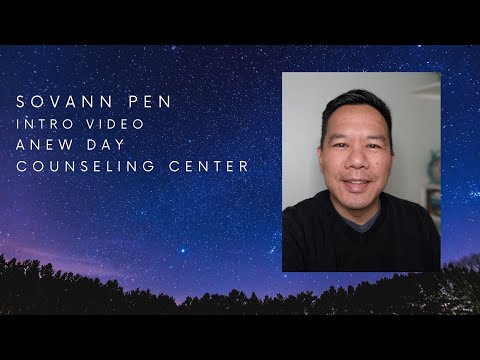
Sovann Pen
LPC · Lake Oswego, OR

 KM
Kate Mordarski
LPC · Portland, OR

 JB
Jason Blevins
Professional Counselor Associate, MA, NCC · Junction City, OR
 PP
Pia Quimson-Guevarra, Psychiatrist
DO · Portland, OR
From Oregon providers writing about this topic.

Telling an anxious mind to stop worrying never works. A stranger CBT move does better: give worry its own appointment. Here is the evidence behind scheduled worry time and exactly how to use it.

Depression tells you to act once you feel better. Behavioral activation flips that order on purpose, and the evidence for it is surprisingly strong. Here is how the tool works and how to start it this week.

A self-inventory of the ten most-common thinking traps, the emotional signature each one produces, the specific situations they show up in, and the corrective practice that weakens each pattern over time.

Cognitive behavioral therapy and Buddhist psychology arrived at remarkably similar models of mind through entirely different paths. Here's the working comparison, the integration possibilities that have emerged in mindfulness-based therapies, and how Oregon clinicians use both frameworks side by side.

The thought record is the foundational CBT tool. Most clients are handed one in session and never use it again at home. Here's the complete instruction set for using it effectively between sessions, with worked examples for anxiety, depression, and rumination.
Ask the directory
Full pageTell me what you need.
Describe who you are looking for, in plain words. Automated, not a therapist.