Unclaimed
Related: Depression
Community listing from public records, not yet authored by the provider.
Find Oregon therapists specializing in Bipolar Disorder.
391 providers found
As of April 2026, many therapists listed on Oregon Counselors specialize in Bipolar Disorder. Many providers offer telehealth sessions, which can be particularly beneficial for individuals in remote areas or those who prefer the convenience of online care. Of these, many accept Oregon Health Plan (OHP), providing affordable therapy options for those with Medicaid coverage. Many therapists offer sliding scale fees, ensuring access to therapy for clients with lower incomes. Evidence-based approaches such as Cognitive Behavioral Therapy (CBT), Dialectical Behavior Therapy (DBT), and Psychoeducation are commonly used to treat Bipolar Disorder.
Enter a city to search within ~30 miles, telehealth therapists are shown statewide.
PsyD, LCSWSalem, ORIn-person
Community listing from public records, not yet authored by the provider.
LPC, LMFTPortland, ORIn-person
Community listing from public records, not yet authored by the provider.
LCSW, LPCBeaverton, ORIn-person
Community listing from public records, not yet authored by the provider.
LMFT, LPCTualatin, ORIn-person
Community listing from public records, not yet authored by the provider.
LPCNorth Bend, ORIn-person & Telehealth
Community listing from public records, not yet authored by the provider.
MA, NCCTualatin, ORTelehealth
Community listing from public records, not yet authored by the provider.
Integrated Care TeamPortland, ORIn-person
Community listing from public records, not yet authored by the provider.
MD StaffPortland, ORIn-person
Community listing from public records, not yet authored by the provider.
Fewer than 3 providers match this specialty directly. These licensed Oregon telehealth providers may also be able to help.


CSWA, MSW, QMHP-R, CADCR-RPortland, ORIn-person & Telehealth

MA, Professional Counselor AssociateTigard, ORIn-person & Telehealth

Meet these providers before you reach out.
From Oregon providers writing about this topic.

What is a psychiatrist? A psychiatrist is a medical doctor who specializes in diagnosing and treating mental health conditions. Psychiatrists may use medication, psychotherapy, lifestyle recommendations, care coordination, or a combination of approaches. Common conditions they treat include anxiety disorders, depression, bipolar disorder, PTSD, and schizophrenia. What training do

I am not a prescriber. I do not recommend medications or comment on what anyone should take. What I can do is explain how the two kinds of help differ, because people are often choosing between them without being told they are not the same thing.

In Oregon, a 14-year-old can consent to their own outpatient mental health treatment. That surprises most parents and most teenagers. Here is what the law actually says and how I work with it in practice.

If you came looking for an autism evaluation, I want to answer that in the first sentence rather than the last. I do not provide one. Here is what I can do instead, and where assessment actually comes from.

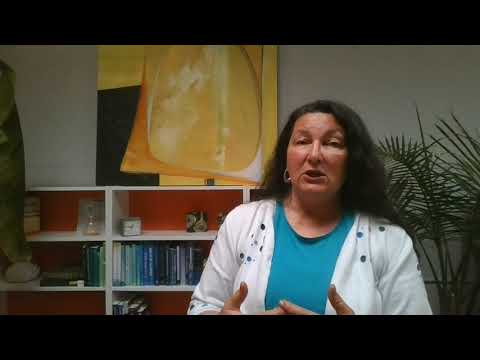
Welcome to iFinish Strong Enrichment Center, where we believe that understanding your mental health can be an important step toward healing, growth, and living well. I’m Dr. Sandra Stubbs, and I invite you to visit us at ifscounseling.net. Our website is a great place to learn more about who we…

If you’re constantly overwhelmed, overthinking, or struggling to focus, you might wonder: Is this anxiety – or could it be ADHD? For many women, the answer is surprising. ADHD in women is frequently misdiagnosed as anxiety, leading to years of frustration and treatment that only partially helps. Understanding the difference…
Researched data on this topic, every figure links to its source.
An estimated 2.8% of U.S. adults had bipolar disorder in the past year and 4.4% experience it in their lifetime; rates are similar for men and women (NIMH).
Source: NIMH (2017)Among U.S. adults with past-year bipolar disorder, an estimated 82.9% had serious impairment — the highest share of serious impairment among all mood disorders (NIMH).
Source: NIMH (2017)Bipolar disorder is often missed early: a 2016 meta-analysis of 9,415 patients found an average delay of almost six years between symptom onset and diagnosis (Canadian Journal of Psychiatry).
Source: Canadian Journal of Psychiatry (2016)Per the DBSA, people with bipolar disorder can face up to ten years coping with symptoms before an accurate diagnosis, with only about one in four diagnosed correctly within three years.
Source: Depression and Bipolar Support Alliance (2000)A 2019 meta-analysis of 79 studies (33,719 people) found the lifetime prevalence of suicide attempts in bipolar disorder was 33.9% (Epidemiology and Psychiatric Sciences).
Source: Epidemiology and Psychiatric Sciences (2019)Oregon has the highest rate of mental illness of any U.S. state — 30% of adults versus 23% nationally — underscoring high demand for mood-disorder care (Mental Health America 2025 report).
Source: Mental Health America (2025 report) (2025)Common questions about this coverage in Oregon.
Many therapists listed on Oregon Counselors specialize in Bipolar Disorder. Many providers offer telehealth sessions, which can be particularly beneficial for individuals in remote areas or those who prefer the convenience of online care. Of these, many accept Oregon Health Plan (OHP), providing affordable therapy options for those with Medicaid coverage. Many therapists offer sliding scale fees, ensuring access to therapy for clients with lower incomes. Evidence-based approaches such as Cognitive Behavioral Therapy (CBT), Dialectical Behavior Therapy (DBT), and Psychoeducation are commonly used to treat Bipolar Disorder.
Oregon Advantage
Oregon leads the nation in access to psychedelic-assisted and integrative mental health therapies.