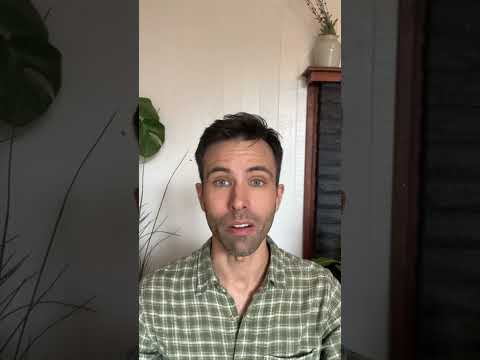
1.Brad Peterson, LPC, LMHCVerified
(360) 980-7906
28925 SW Boberg Rd, Wilsonville, OR 97070
Addiction · ADHD · Anger Management
anlcc.com/professional-counselors/brad-peterson · orcounselors.com/provider/brad-peterson
Substance use therapy helps individuals address problematic drinking, drug use, and behavioral addictions. Oregon substance use therapists offer motivational interviewing, harm reduction, and recovery-oriented care.
2,045 providers found
As of April 2026, Oregon Counselor Directory lists many therapists listed on Oregon Counselors specializing in substance use treatment across Oregon. These providers offer various care options, including 25 who provide telehealth sessions, allowing clients to access support from the comfort of their homes. Many therapists accept the Oregon Health Plan (OHP), providing low-cost or no-cost treatment options for eligible individuals. Sliding scale fees are offered by many therapists, catering to clients with varying income levels. With a range of evidence-based approaches such as Cognitive Behavioral Therapy (CBT), Motivational Interviewing (MI), and Contingency Management (CM), these therapists aim to support individuals in overcoming substance use challenges.
Enter a city to search within ~30 miles, telehealth therapists are shown statewide.
Showing the first 8 of 2,045 results.
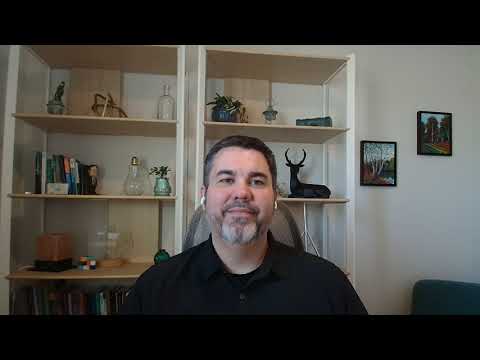
(360) 980-7906
28925 SW Boberg Rd, Wilsonville, OR 97070
Addiction · ADHD · Anger Management
In-person & Telehealth · $160–$160 per session · Accepting new clients
anlcc.com/professional-counselors/brad-peterson · orcounselors.com/provider/brad-peterson
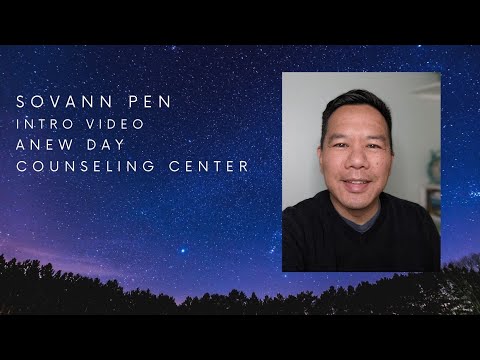
(503) 583-8732
9 Monroe Pkwy Ste# 250, Lake Oswego, OR 97035
Anxiety · Behavioral Issues · Career Counseling
In-person & Telehealth · Accepting new clients
orcounselors.com/provider/sovann-pen-portland-or
916 SW King Avenue Suite 202, Portland, OR 97205
Anxiety · Body Image · Codependency
In-person & Telehealth · $125–$200 per session · Sliding scale · Accepting new clients
katemordarskicounseling.com · orcounselors.com/provider/kate-mordarski-portland
(954) 451-2893
Portland, OR 97239
Anger Management · Anxiety · Behavioral Issues
Telehealth · $105–$125 per session · Accepting new clients
psychologytoday.com/profile/1722780 · orcounselors.com/provider/kayla-joshua-portland
(503) 893-2579
7110 Southwest Fir Loop, Suite 145, Tigard, OR 97223
Addiction · ADHD · Alcohol Use
In-person & Telehealth · $40–$160 per session · Sliding scale · Accepting new clients
oakhillscounselingcenter.com/franklin-co-ma · orcounselors.com/provider/franklin-co
(888) 522-7443
Portland, OR 97201
Addiction · Behavioral Issues · Cancer
In-person & Telehealth · $25–$129 per session · Sliding scale · Accepting new clients
quantummobilesolutions.org · orcounselors.com/provider/ebony-guthrie
(458) 240-3407
576 Olive St suite 304, Eugene, OR 97401
Addiction · Anxiety · Depression
In-person · $150–$150 per session · Accepting new clients
psychologytoday.com/us/therapists/maxwell-sears-eugene-or/813888 · orcounselors.com/provider/maxwell-sears
(541) 313-3617
204 W. 9th St., Medford, OR 97501
Addiction · ADHD · Alcohol Use
In-person · $175–$500 per session · Accepting new clients
sopsychiatry.com · orcounselors.com/provider/southern-oregon-psychiatry-llc-medford-or-97501-psychology-today

LPC, LMHCWilsonville, ORIn-person & Telehealth

LPCLake Oswego, ORIn-person & Telehealth


Professional Counselor AssociatePortland, ORTelehealth

MA, Professional Counselor AssociateTigard, ORIn-person & Telehealth

CPT II, AHI, Accredited Practitioner, IPHMPortland, ORIn-person & Telehealth

PMHNP-BCMedford, ORIn-person
Meet these providers before you reach out.
From Oregon providers writing about this topic.

By Hussein Idow, CSWA, MSW, QMHP, CADC-II-R | Healing Power Therapy, LLC | Portland, Oregon If you've ever sat across from a Somali mother who hasn't slept in months, a Congolese father who can't explain why he feels numb, or an Ethiopian young adult who is told by their family…

The transition from solo private practice to a small group is the single least-discussed stage of behavioral health practice ownership. The clinical training prepares you for the work. The business literature is built for either lifestyle solo practice or 100-clinician multi-state platforms. The five-to-fifteen-clinician range — where most thriving Oregon…
Common questions about this coverage in Oregon.
Oregon Counselors Directory lists many therapists specializing in substance use treatment across Oregon. These providers offer various care options, including 25 who provide telehealth sessions, allowing clients to access support from the comfort of their homes. Many therapists listed on Oregon Counselors accept the Oregon Health Plan (OHP), providing low-cost or no-cost treatment options for eligible individuals. Sliding scale fees are offered by many therapists, catering to clients with varying income levels. With a range of evidence-based approaches such as Cognitive Behavioral Therapy (CBT), Motivational Interviewing (MI), and Contingency Management (CM), these therapists aim to support individuals in overcoming substance use challenges.
Oregon Advantage
Oregon leads the nation in access to psychedelic-assisted and integrative mental health therapies.