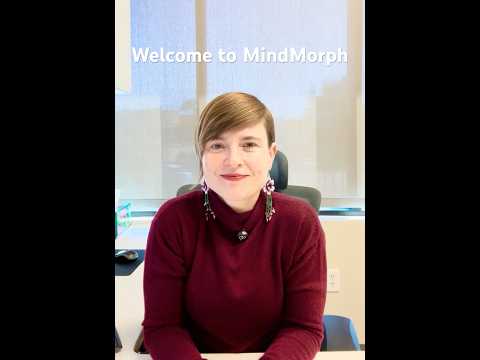
1.Linzy Moore, MA, LPC associateVerified
(541) 414-6171
5441 s macadam ave suite R, Portland, OR 97239
ADHD · ADHD in adults · Anxiety
psychologytoday.com/us/therapists/linzy-moore-eagle-point-or/1582640 · orcounselors.com/provider/linzy-moore
139 providers found
Oregon therapists specializing in perinatal mental health, pregnancy, postpartum mood and anxiety disorders, infertility, pregnancy loss, and the parenting transition.
As of April 2026, Oregon Counselor Directory lists many therapists listed on Oregon Counselors who specialize in postpartum care across Oregon. These professionals are equipped to address the unique mental health challenges faced by new mothers. Among them, many offer telehealth options, providing flexibility for those in both rural and urban areas to seek support from the comfort of their homes. Several therapists accept Oregon Health Plan (OHP), which is Oregon's Medicaid program, making postpartum care more accessible to a wider range of individuals. Additionally, several therapists offer sliding scale fees, catering to clients with varying financial circumstances.
Enter a city to search within ~30 miles, telehealth therapists are shown statewide.
Showing the first 8 of 139 results.
(541) 414-6171
5441 s macadam ave suite R, Portland, OR 97239
ADHD · ADHD in adults · Anxiety
Telehealth · $160–$200 per session · Sliding scale · Accepting new clients
psychologytoday.com/us/therapists/linzy-moore-eagle-point-or/1582640 · orcounselors.com/provider/linzy-moore
(503) 395-4626
Portland, OR
Anxiety · Behavioral Issues · Bipolar Disorder
Telehealth · Accepting new clients
opmcare.com · orcounselors.com/provider/dr-chantal-van-wely
(503) 908-2824
6700 SW 105th Ave, Suite 204, Beaverton, OR 97008
Anxiety · Child · Parenting
In-person & Telehealth · $200–$250 per session · Sliding scale · Accepting new clients
limitlessgrowththerapy.com · orcounselors.com/provider/kerstin-minton-limitless-growth-therapy-llc-beaverton
(541) 200-0231
Redmond, Portland, Redmond, OR 97756
ADHD · Anxiety · Behavioral Issues
In-person & Telehealth · From $150 per session · Sliding scale · Accepting new clients
jodi-peterson4774.clientsecure.me · orcounselors.com/provider/central-oregon-family-therapy
(541) 824-0755
Eugene, OR 97401
Addiction · ADHD · Alcohol Use
In-person · Accepting new clients
psychologytoday.com/us/psychiatrists/amelia-rohrig-eugene-or/1589591 · orcounselors.com/provider/amelia-rohrig-pmhnp-llc-eugene
1318 NW 20th Ave., Portland, OR 97209
Addiction · ADHD · Alcohol Use
In-person · $150–$200 per session · Sliding scale · Waitlist
laurabirchard.com · orcounselors.com/provider/laura-birchard-ma-lpc-depth-psychotherapy-portland
(541) 668-7601
2542 NE Courtney Dr., Bend, OR 97701
ADHD · Adoption · Anger Management
In-person & Telehealth · $75–$175 per session · Sliding scale · Accepting new clients
psychologytoday.com/us/therapists/strive-counseling-bend-or/1346701 · orcounselors.com/provider/briar-weinstein-bend
(503) 730-3836
Portland, OR, Portland, OR 97215
ADHD · Anxiety · Autism
In-person & Telehealth · Accepting new clients
jamieleighcounseling.com · orcounselors.com/provider/jamie-leigh-portland

MA, LPC associatePortland, ORTelehealth

MDPortland, ORTelehealth

LPCBeaverton, ORIn-person & Telehealth

LPC, LMFTRedmond, ORIn-person & Telehealth
PMHNPEugene, ORIn-person

MA, LPC, CADCIPortland, ORIn-person

Registered Counselor Associate/LPCBend, ORIn-person & Telehealth

LCSWPortland, ORIn-person & Telehealth
Meet these providers before you reach out.
From Oregon providers writing about this topic.

If you’re constantly overwhelmed, overthinking, or struggling to focus, you might wonder: Is this anxiety – or could it be ADHD? For many women, the answer is surprising. ADHD in women is frequently misdiagnosed as anxiety, leading to years of frustration and treatment that only partially helps. Understanding the difference…

Over the past several years, conversations about mental health have become more common across Oregon. As more people speak up about struggling with mental health issues, the stigma surrounding mental health conditions like depression has shown signs of receding in Oregon. More people are seeking help, employers are expanding mental…

As addiction treatment providers in Portland, Oregon, the team at Shanti is constantly monitoring emerging substance use trends that may impact the health and well-being of our community. One substance that has really come to the forefront of our clinical practice lately is 7-hydroxymitragynine, often called 7-OH. Although many people…

If you’ve been researching 7-OH addiction, kratom addiction, or addiction treatment in Portland, Oregon, you may have also come across the term dual diagnosis. While it may sound like a complicated medical concept, it describes a phenomenon that we see at Shanti Recovery and Wellness every day: people who struggle…

“Advocate for yourself” is common advice. Ask questions. Set boundaries. Tell people what you need. Speak up when something is wrong. On the surface, this seems straightforward. In practice, self-advocacy can be much more complicated, particularly for women who have spent significant periods of their lives learning that speaking up…

There is an assumption that once a woman has the right professionals around her, things should begin to feel more manageable. Sometimes they do. An attorney can explain legal rights and options. A therapist can provide a place to process experiences and understand emotional or relational patterns. A financial professional…
Researched data on this topic, every figure links to its source.
In Oregon, 1 in 4 new moms feels depressed or anxious during or after pregnancy, according to the Oregon Health Authority.
Source: Oregon Health Authority (2024)Oregon's postpartum depression rate was 14.0% in 2023 (PRAMS), above the U.S. average of 11.9% (America's Health Rankings).
Source: America's Health Rankings (PRAMS) (2023)In Oregon PRAMS 2012-2018, Black, Asian/Pacific Islander, American-Indian, and mixed-race mothers had higher odds of postpartum depression than White mothers (odds ratios 1.55-1.87).
Source: Oregon PRAMS study (Docherty et al., Research in Nursing & Health) (2022)In Oregon PRAMS 2012-2018, almost 17% of women said they did not discuss depression with a provider during pregnancy, including over 12% who reported postpartum depression symptoms.
Source: Oregon PRAMS study (Docherty et al.) (2022)Postpartum Support International reports about 1 in 5 women and 1 in 10 men may experience depression or anxiety in the perinatal period, calling these conditions the #1 complication of childbearing.
Source: Postpartum Support International (2024)Across 31 U.S. PRAMS sites in 2018, 13.2% of women reported postpartum depressive symptoms (about 1 in 8), ranging from 9.7% in Illinois to 23.5% in Mississippi (CDC).
Source: CDC MMWR Vital Signs (2018)Common questions about this coverage in Oregon.
Oregon Advantage
Oregon leads the nation in access to psychedelic-assisted and integrative mental health therapies.