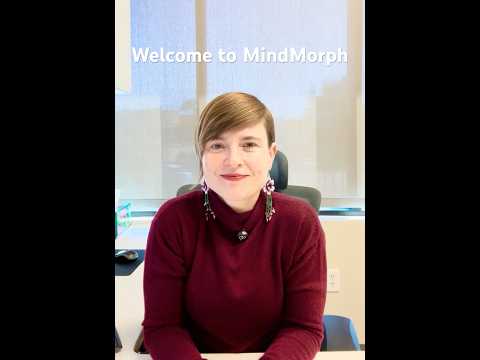
1.iFinish Strong, LPC, PhDVerified
(844) 952-6514
9400 SW Beaverton Hillsdale Hwy. Ste 250, Beaverton, OR 97404
Anxiety · Depression · Grief
ifscounseling.net · orcounselors.com/provider/ifinish-strong-beaverton
Depression affects more than 300,000 Oregonians each year. Our listed therapists specialize in treating major depressive disorder, persistent depressive disorder, and seasonal affective disorder using proven approaches including cognitive behavioral therapy, interpersonal therapy, and behavioral activation.
378 providers found
Oregon Counselor Directory lists hundreds of therapists listed on Oregon Counselors who specialize in depression as of April 2026 — including major depressive disorder, persistent depressive disorder (dysthymia), postpartum depression, seasonal affective disorder, and depression with co-occurring anxiety, trauma, or grief. Many offer telehealth across Oregon, many accept Oregon Health Plan, many offer sliding-scale fees. Effective treatments include Cognitive Behavioral Therapy (CBT), Behavioral Activation (the most-evidenced fast-acting depression intervention), Interpersonal Psychotherapy (IPT), Mindfulness-Based Cognitive Therapy (MBCT) for relapse prevention, and Acceptance and Commitment Therapy (ACT). For depression that hasn't responded to two or more medication trials (treatment-resistant depression), Oregon clinics also offer TMS, the SAINT accelerated TMS protocol, and ketamine / esketamine — all paired with talk therapy for the most durable results.
Enter a city to search within ~30 miles, telehealth therapists are shown statewide.
Showing the first 8 of 378 results.
(844) 952-6514
9400 SW Beaverton Hillsdale Hwy. Ste 250, Beaverton, OR 97404
Anxiety · Depression · Grief
Telehealth · $180–$240 per session · Accepting new clients
ifscounseling.net · orcounselors.com/provider/ifinish-strong-beaverton
(503) 770-3639
3800 SW Cedar Hills Blvd., Beaverton, OR 97005
ADHD · Anxiety · Autism
In-person & Telehealth · $150–$190 per session · Sliding scale · Accepting new clients
kindredsensetherapy.com · orcounselors.com/provider/jaxon-shaffer-beaverton-or
(971) 357-1897
3595 E Fountain Blvd, Suite 220, Colorado Springs, CO 80817
Anxiety · Christians · Couples Counseling
Telehealth · $60–$150 per session · Sliding scale · Accepting new clients
summitviewco.com/oregon-counseling · orcounselors.com/provider/david-means-colorado-springs
(541) 668-7601
2542 NE Courtney Dr., Bend, OR 97701
ADHD · Adoption · Anger Management
In-person & Telehealth · $75–$175 per session · Sliding scale · Accepting new clients
psychologytoday.com/us/therapists/strive-counseling-bend-or/1346701 · orcounselors.com/provider/briar-weinstein-bend
(971) 405-5454
Lake Oswego, OR
Anxiety · Career Counseling · Codependency
In-person · From $185 per session · Accepting new clients
alexharringtontherapy.com · orcounselors.com/provider/alexandra-harrington
(503) 395-4164
155 B Avenue, Lake Oswego, OR 97034
Anxiety · Body Image · Codependency
In-person & Telehealth · $180–$200 per session · Sliding scale · Accepting new clients
therapywithdawn.com · orcounselors.com/provider/dawn-myers-beaverton-or-9772
(516) 288-4242
Online Only, Forest Hills, NY 11375
Anxiety · Depression · Trauma and PTSD
Telehealth · Up to $125 per session · Sliding scale · Accepting new clients
stewarttherapies.com · orcounselors.com/provider/sean-m-stewart-forest-hills
(503) 730-3836
Portland, OR, Portland, OR 97215
ADHD · Anxiety · Autism
In-person & Telehealth · Accepting new clients
jamieleighcounseling.com · orcounselors.com/provider/jamie-leigh-portland

LPC, PhDBeaverton, ORTelehealth


LMFT, MABeaverton, ORIn-person & Telehealth

MA, LPC, NCC, BC-TMHColorado Springs, ORTelehealth

Registered Counselor Associate/LPCBend, ORIn-person & Telehealth

Marriage and Family Therapist AssociateLake Oswego, ORIn-person

Marriage & Family Therapist AssociateLake Oswego, ORIn-person & Telehealth


Meet these providers before you reach out.
From Oregon providers writing about this topic.

Welcome to iFinish Strong Enrichment Center, where we believe that understanding your mental health can be an important step toward healing, growth, and living well. I’m Dr. Sandra Stubbs, and I invite you to visit us at ifscounseling.net. Our website is a great place to learn more about who we…

Over the past several years, conversations about mental health have become more common across Oregon. As more people speak up about struggling with mental health issues, the stigma surrounding mental health conditions like depression has shown signs of receding in Oregon. More people are seeking help, employers are expanding mental…

By Hussein Idow, CSWA, MSW, QMHP, CADC-II-R | Healing Power Therapy, LLC | Portland, Oregon If you've ever sat across from a Somali mother who hasn't slept in months, a Congolese father who can't explain why he feels numb, or an Ethiopian young adult who is told by their family…

A lot of people arrive in my practice with a folder of failed antidepressant trials and a working theory that they are treatment-resistant. Sometimes that is exactly right. Often what is actually going on is that the…

Sadness is part of being human. Everyone feels sad at times, especially after disappointment, loss, conflict, stress, or major life changes. Sadness can be painful, but it usually comes in waves and often softens with…

Acupuncture is widely marketed for mood, but the evidence is more mixed than the marketing. Here is an honest, sourced look at what the trials show, where the evidence is genuinely weak, and how to think about it as one option among several.
Researched data on this topic, every figure links to its source.
As of 2024 (CDC BRFSS), 27.3% of Oregon adults reported ever being told they had a depressive disorder, well above the U.S. rate of 22.0% — ranking Oregon 47th among states.
Source: America's Health Rankings (CDC BRFSS) (2024)In 2020, an estimated 21.4% of Oregon adults reported a lifetime depression diagnosis, compared with 18.5% nationally (CDC MMWR, BRFSS 2020).
Source: CDC MMWR (2020)In 2021, about 21 million U.S. adults (8.3%) had at least one major depressive episode; the rate was highest among young adults ages 18-25 at 18.6% (NIMH, NSDUH).
Source: NIMH (2021)Major depressive episodes are more common in women (10.3%) than men (6.2%) among U.S. adults (NIMH, 2021 NSDUH).
Source: NIMH (2021)In 2022, 23.1% of U.S. adults (about 59 million people) had any mental illness, and just 50.6% of them received mental health treatment in the past year (SAMHSA NSDUH, via NIMH).
Source: NIMH / SAMHSA (2022)Common questions about this coverage in Oregon.
Oregon Counselors Directory lists hundreds of therapists who specialize in treating depression across the state. These providers offer a range of services, with many offering telehealth, enabling remote access to care. A significant many therapists listed on Oregon Counselors accept the Oregon Health Plan (OHP), expanding affordable care options. Additionally, many providers offer sliding scale fees, catering to those with financial constraints. A variety of evidence-based approaches are utilized, such as Cognitive Behavioral Therapy (CBT), Dialectical Behavior Therapy (DBT), and Interpersonal Therapy (IPT), enhancing the quality of care.
Oregon Advantage
Oregon leads the nation in access to psychedelic-assisted and integrative mental health therapies.