I see clients only by video, so I have an interest in your answer. I will still try to give you a straight one, because a client who would do better in an office is not a client I want to keep by default.
What video therapy actually is
A scheduled hour with a licensed counselor over a secure video connection, from wherever you are in Oregon. Same confidentiality, same clinical work. What changes is the room. You are in yours and I am in mine.
Signs it will probably work for you
- Getting to an office is the barrier. You live in a town with no counselor who takes your insurance. You work shifts. You have small children and no one to watch them for two hours. You do not drive. Video removes the trip, and for a lot of people the trip was the reason they never started.
- You talk more easily on your own ground. Some people say things from their own kitchen table they would never say in an unfamiliar office. If that sounds like you, video may help rather than hinder.
- You want a specific kind of counselor. If you want a counselor who shares your faith or understands your background, or someone who works with psychosis or dual diagnosis, the right person may live three hours away. Video makes them available.
- Consistency is what you struggle with. It is easier to keep an appointment that requires opening a laptop than one that requires an hour of driving.
Signs it may not
- You have no private place to talk. Therapy does not work with a roommate in the next room and thin walls. Before you rule it out, though: a parked car or a walk with earbuds works for some people. If nothing like that exists in your life, an office may be the answer.
- Your internet is unreliable. A dropped connection in the middle of something hard is more than an inconvenience. If your service cuts out often, test it on a few video calls first.
- You are in acute crisis. If you are in danger right now, or seriously thinking about suicide, video therapy is not the right first step. Call or text 988, the Suicide and Crisis Lifeline. If it is an emergency, call 911. Once the crisis has passed, therapy can be part of what comes next.
- You need more than weekly sessions. Some situations call for intensive outpatient programs, medication management, or residential care. A good counselor will tell you so in the first conversation, and I will.
- Screens are the problem. If you spend all day on video calls for work and the thought of one more makes you want to close the laptop, notice that. It does not disqualify you, but it is worth saying out loud.
Making it work in practice
A few things that help.
Treat the hour like an appointment, not a call. Sit down. Put the phone on do not disturb. Do not do it from the driver's seat while running errands, or from bed unless bed is the only private place you have. The setting tells your brain what kind of hour this is.
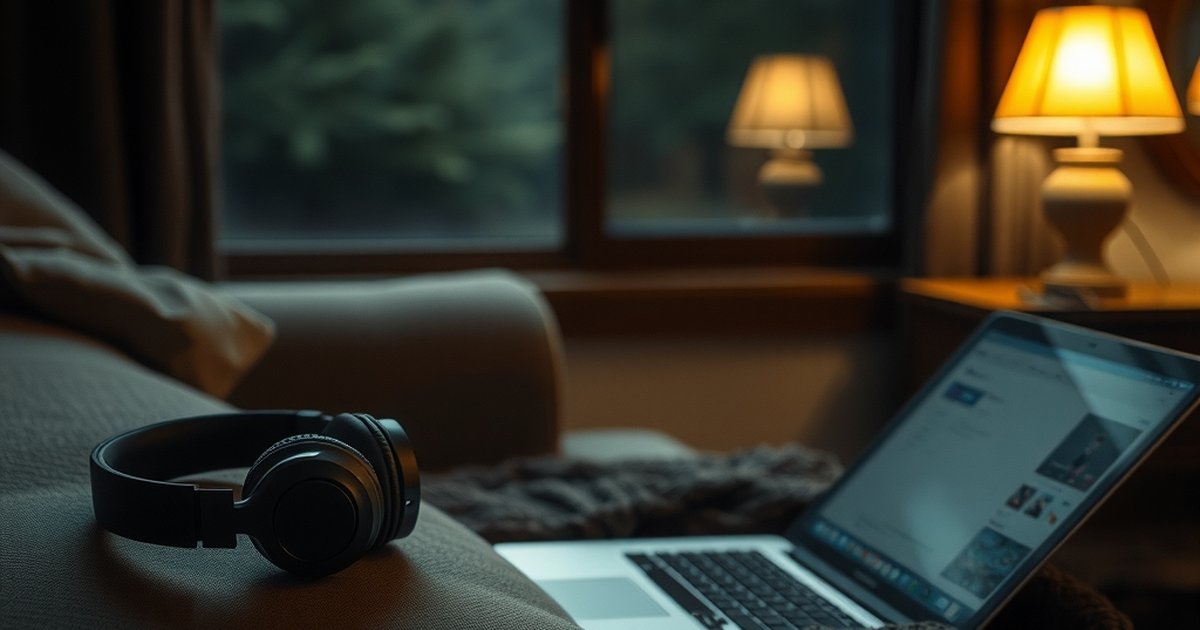
Use headphones. They keep my voice out of the room, and they cut the echo that makes video calls tiring.
Give yourself a few minutes after. In an office, the walk to the car is the transition. At home, the transition is whatever you build. Some people step outside. Some make tea. Do not go straight from a hard session into a work meeting if you can avoid it.
Have a backup. Keep your counselor's phone number handy in case the video drops, and agree in the first session on what happens if it does.
Tell your counselor where you are. If something happens during a session, I need to know what city you are in.
You can test it before you commit
A consultation by video is itself a trial of the format. You find out in fifteen minutes whether talking to a counselor through a screen feels workable or wrong, and either answer is useful. If it feels wrong, you have lost nothing, and you know to look for an office. If it feels fine, you have already had your first conversation.
I offer a free 15-minute consultation to every new client. If video is not the right fit, I will say so and help you find what is.


