IFS and EMDR Therapists in Oregon
1,640 providers found
Find Oregon therapists who practice IFS and EMDR.
Quality Counseling Services LLC
Medford, OR
At Quality Counseling Services, we believe that everyone deserves access to compassionate, personalized mental health care. Our practice partners with a diverse group of local…
Christina Bein
MSW, LCSW
If you had to describe your life in one word it might be: “overwhelmed.” Maybe you are navigating a major life transition, burnout, identity shifts/management, depression, or…
Brittany Woodward
LMFT
Brittany Woodward, LMFT, specializes in working with adolescents, young adults, and adults, providing individual and family therapy. Brittany firmly believes in the power of…
Anthony Davis
PsyD, NCSP
Are you struggling to balance the changing expectations placed on yourself? Finding that your behavior doesn’t match your intentions? Do demands for emotional intimacy leave you…
Path of Life Counseling
LPC, MA
Linda’s certified in Othmer Method & Trauma Informed Neurofeedback & EMDR. We would be honored to walk along side you on your journey to health & wellness! Our therapists…
Resonance LLC
MA, LCSW
Are you tired of explaining yourself because of how you’re read — your race, your culture, or the assumptions people make about you? At Resonance, we offer relational therapy for…
The Core Practice
Licensed Professional Counselor
Starting therapy can feel scary. Our goal is to make it less so. We believe that looking inward is an act of courage, and we're honored to be a part of this journey. Whether…
Michele Rainier
LPC, ATR · Portland, OR
Licensed Professional Counselor, Registered Art Therapist, Fully Trained EMDR provider You’re trying your best to hold it all together but right now you feel exhausted and…
Video Introductions
Meet these providers before you reach out.


Related Articles
From Oregon providers writing about this topic.

SEO, AEO, and GEO for Beginners — and How OR Counselors Wins All Three
Three acronyms decide whether clients find your therapy practice in 2026: SEO (Google), AEO (answer engines), and GEO (AI-generated answers). Here's what each one means, why all three matter now, and how the Oregon Counselor Directory engineered every page to rank in all three. If you are a therapist trying to grow your caseload in 2026, the rules of search have changed. Three acronyms now decide

I'll Always Trade My Rook to Keep My Knight. On why we need to stop pathologizing the people-pleasers of this world.
I want to talk about people-pleasing, but not in the way it usually gets talked about. I'm tired of the version that frames it as a personality quirk, a boundary problem, or a self-esteem issue we just need to do the work on. That framing skips over the most important thing, which is that people-pleasing is a survival strategy that worked. It equated to safety, and sometimes to love, which kind of

What We Lose When We're Not Believed
There's a kind of tired I want to talk about, because I don't think it gets named enough, and because I've lived inside of it, and because the people who walk into my office almost always know exactly what I mean before I finish the sentence. It's the tired that comes from being the one who notices. It's exhausting being the one who feels the shift in the room, who registers the tightness in som

The Middleman’s Toll: My War Against the Venture Capital Siege on Mental Health
The Silicon Valley land grab for the human soul didn't happen overnight. It was a slow, calculated siege, masked by the friendly blue-and-white interfaces of platforms promising to "democratize" mental health. But as we move into 2026, the sleek UX of these multi-billion-dollar intermediaries has revealed a cold, extractive reality. This is the industrialization of intimacy, a structural disruptio
When Talk Therapy and Medication Aren’t Quite Enough: Another Way to Support Your Mental Health
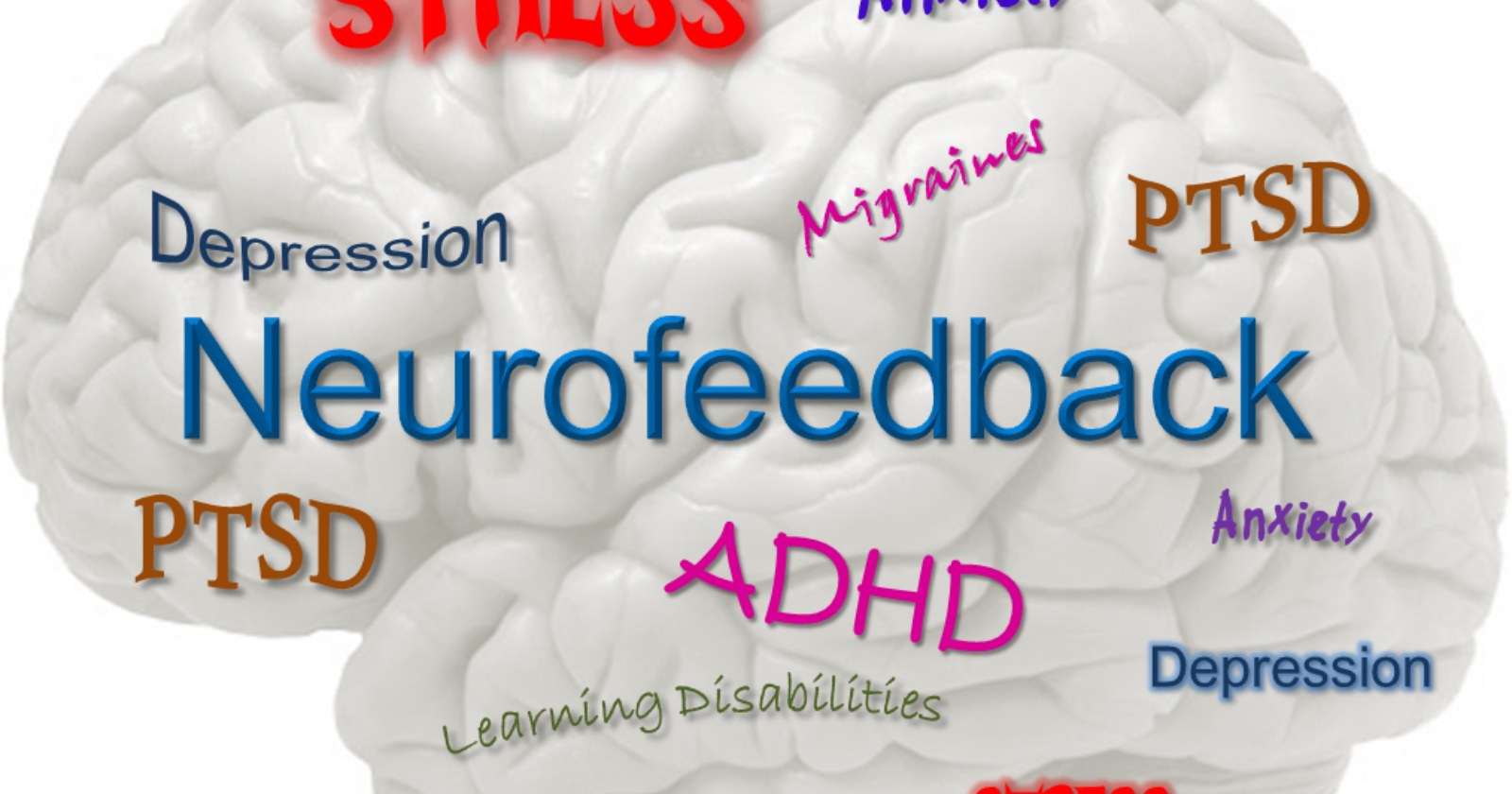
If you’ve tried talk therapy, medication—or both—and still feel like something isn’t quite clicking, you’re not alone. Many people reach a point where they understand their patterns, have tools to cope, and are doing “all the right things”… yet still feel stuck. Maybe your mind knows what to do, but your body doesn’t seem to follow. O
Where Neurofeedback Fits in Mental Health Care: A Complement, Not a Replacement
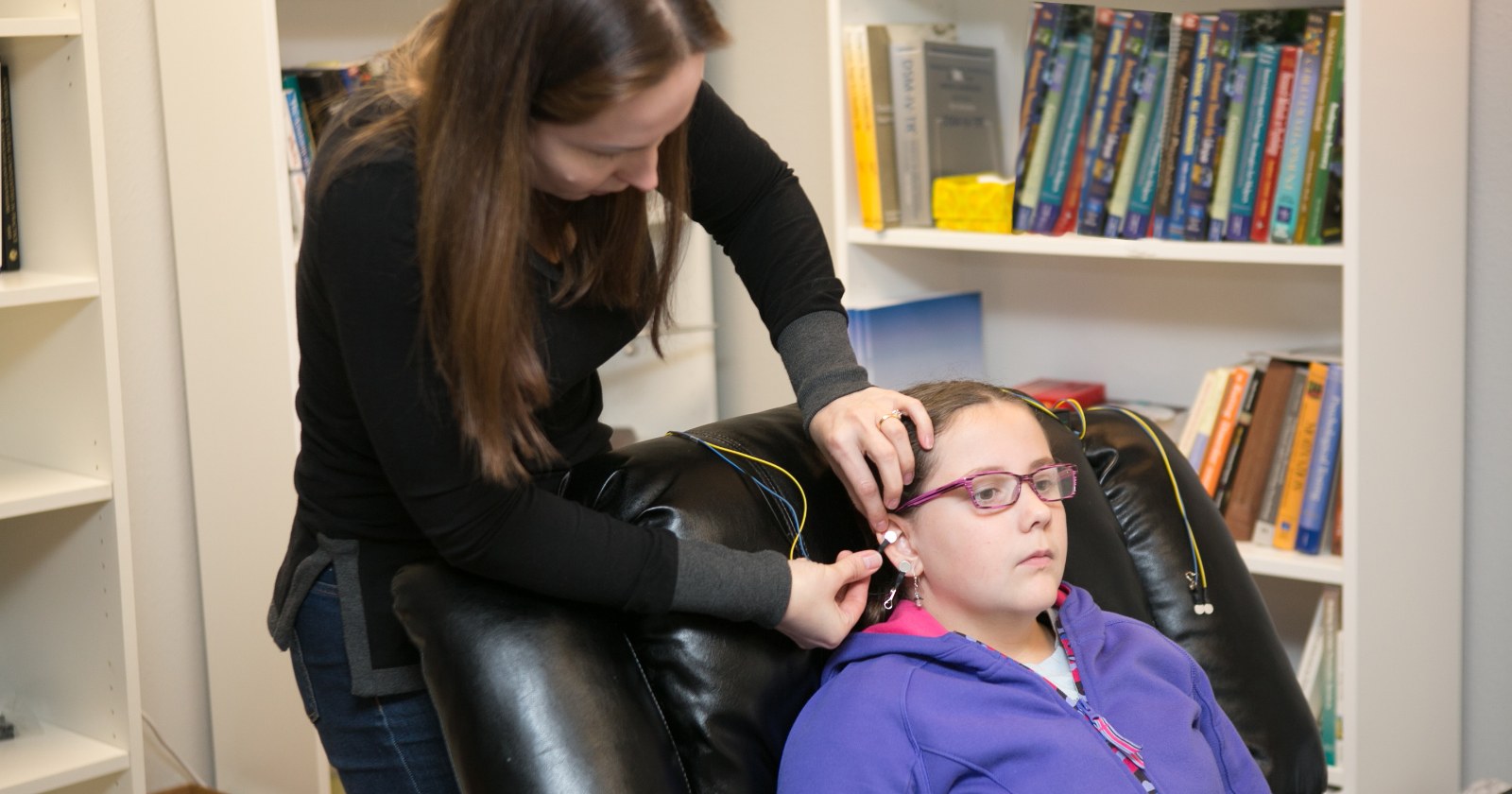
Mental health care is evolving. Today, more providers are recognizing that lasting change often requires supporting not just thoughts and behaviors—but the underlying patterns of the nervous system itself. This is where neurofeedback can play a valuable role. What Is Neurofeedback? Neurofeedback is a non-invasive form of brain training that helps the brain become more flexible, regulated,