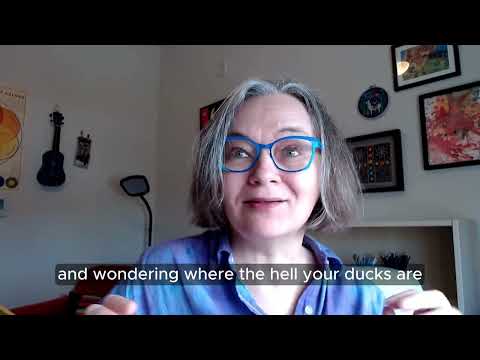
1.Saba Spencer, MA
Portland, OR 97239
LGBTQ+
orcounselors.com/provider/saba-spencer-portland-or
Find Oregon therapists specializing in Highly Sensitive Person.
2,743 providers found
Enter a city to search within ~30 miles, telehealth therapists are shown statewide.
Showing the first 8 of 2,743 results.
Portland, OR 97239
LGBTQ+
In-person & Telehealth
orcounselors.com/provider/saba-spencer-portland-or
Portland, OR 97215
LGBTQ+
In-person
orcounselors.com/provider/danahy-sharonrose-portland-or
Portland, OR 97214
Grief
In-person & Telehealth
orcounselors.com/provider/jessica-truong-portland-or
Online Only, Tigard, OR 97223
Addiction · LGBTQ+ · Self Esteem
Telehealth
orcounselors.com/provider/dana-stroud-or
Online Only, Bend, OR 97701
Addiction · LGBTQ+ · Self Esteem
Telehealth
orcounselors.com/provider/lee-nadeau-or
Salem, OR 97317
Trauma and PTSD
In-person & Telehealth
orcounselors.com/provider/frida-kameti-salem-or
Online Only, Bend, OR 97702
ADHD · Grief
Telehealth
orcounselors.com/provider/maia-yamasaki-or
Online Only, Clackamas, OR 97015
LGBTQ+
Telehealth
orcounselors.com/provider/brenda-niedert-or
MAPortland, ORIn-person & Telehealth
Community listing from public records, not yet authored by the provider.
MA, LPCPortland, ORIn-person
Community listing from public records, not yet authored by the provider.
MS, NCC, LPCAPortland, ORIn-person & Telehealth
Community listing from public records, not yet authored by the provider.
MS, LMFT-ATigard, ORTelehealth
Community listing from public records, not yet authored by the provider.
LPCBend, ORTelehealth
Community listing from public records, not yet authored by the provider.
LPC, MA, NCCSalem, ORIn-person & Telehealth
Community listing from public records, not yet authored by the provider.
LPC, MABend, ORTelehealth
Community listing from public records, not yet authored by the provider.
MA, LPCClackamas, ORTelehealth
Community listing from public records, not yet authored by the provider.
Therapists tagged with this related modality.

LPCPortland, ORTelehealth

LPCPortland, ORTelehealth
MSN, NM, PMHNP-BCHillsboro, ORIn-person & Telehealth

LPC, LMFTRedmond, ORIn-person & Telehealth

MA, LPC, NCC, CADC IIEugene, ORIn-person & Telehealth

Registered Counselor Associate/LPCBend, ORIn-person & Telehealth

Marriage and Family Therapist AssociateLake Oswego, ORIn-person

Marriage & Family Therapist, MAS, LMFTTelehealth
Available statewide, see anyone in Oregon from home.


Fewer than 3 providers match this specialty directly. These licensed Oregon telehealth providers may also be able to help.

Meet these providers before you reach out.
From Oregon providers writing about this topic.
View all resources →Oregon Advantage
Oregon leads the nation in access to psychedelic-assisted and integrative mental health therapies.