Understanding Trauma
Trauma is not just "a bad experience." It's what happens when an event overwhelms your nervous system's ability to cope. This can include single incidents (accidents, assaults, natural disasters) or ongoing experiences (childhood neglect, domestic violence, systemic oppression).
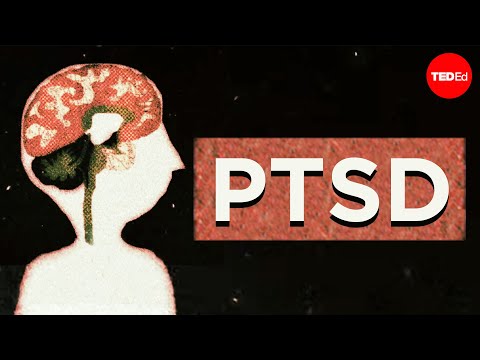
Trauma literally changes brain structure and function — particularly the amygdala (threat detection), hippocampus (memory), and prefrontal cortex (rational thinking). This is why trauma survivors may experience hypervigilance, flashbacks, emotional numbness, or difficulty trusting others. These aren't character flaws — they're neurological adaptations to threat.
Types of Trauma Therapy
Several evidence-based approaches are used to treat trauma, often in combination:
- EMDR — Uses bilateral stimulation to help the brain reprocess traumatic memories.
- Somatic Experiencing (SE) — Focuses on releasing trauma stored in the body through physical awareness.
- Internal Family Systems (IFS) — Works with different "parts" of the psyche that carry trauma burdens.
- Cognitive Processing Therapy (CPT) — Helps reframe distorted beliefs that formed after trauma.
- Prolonged Exposure (PE) — Gradually reduces fear and avoidance through controlled confrontation with trauma memories.
- Brainspotting — Identifies eye positions that activate trauma processing in the brain.
Featured Trauma Therapy Providers
Verified Oregon therapists specializing in this approach
Signs You May Benefit from Trauma Therapy
- Flashbacks, nightmares, or intrusive memories
- Chronic anxiety, hypervigilance, or feeling unsafe
- Emotional numbness or difficulty connecting with others
- Avoiding people, places, or situations that trigger memories
- Difficulty trusting others or maintaining relationships
- Unexplained physical symptoms (chronic pain, tension, digestive issues)
- Using substances or behaviors to cope or numb
- Feeling "stuck" despite trying other forms of therapy
You do not need a PTSD diagnosis to benefit from trauma therapy. Many people carry unresolved trauma that affects daily functioning without meeting full diagnostic criteria.
Finding the Right Trauma Therapist
The therapeutic relationship is the single most important factor in trauma recovery. When looking for a trauma therapist, consider:
- Training — Look for clinicians trained in specific trauma modalities (EMDR, SE, IFS, CPT).
- Approach — A good trauma therapist will prioritize safety and stabilization before processing. Be wary of anyone who pushes you to "go deep" too quickly.
- Pacing — Healing happens at your pace. The right therapist will follow your lead.
- Cultural competence — Particularly important for survivors of systemic or cultural trauma.
The providers featured below specialize in trauma-informed care and have demonstrated expertise in evidence-based trauma treatment approaches.