Internal Family Systems (IFS); EMDR; Cognitive Behavioral (CBT); Couples Counseling; Family Therapy Therapists in Oregon
1,934 providers found
Find Oregon therapists who practice Internal Family Systems (IFS); EMDR; Cognitive Behavioral (CBT); Couples Counseling; Family Therapy.
Shannon Barnes
Licensed Professional Counselor · Serves Area, OR
She integrates evidence-based practices—including CBT, ACT, DBT, EMDR, and play therapy—to help clients access old wounds, understand long-standing patterns, and create space…
Ross Cohen
MA, LPC, LLC · Portland, OR
If you're feeling stuck in some important area of your life, possibly with anxiety, low self-esteem, trauma, or relationship challenges, EMDR Therapy may be a great way for you…
Shane Fookes
MA, MDiv · Hillsboro, OR
Life is full of change. Sometimes you choose the change; often the change is thrust upon you. Changes - even good ones - can be disorienting, disruptive, and difficult to…
Ruth Hescock
LPC, LMHC · Beaverton, OR
Using EMDR and Internal Family Systems (IFS), we address the patterns driving overworking and chronic self-pressure—so change is felt in your nervous system and daily life. …
Hidden Trails Therapy: Founder & Clinical Director
LMFT, PMH-C, CIMHP, RYT-200
Do you find yourself feeling overwhelmed, scattered, anxious, or burnt out? Feeling stuck in a cycle of stress and worry? Perhaps you're someone who's life looks good on the…
Quality Counseling Services LLC
Medford, OR
At Quality Counseling Services, we believe that everyone deserves access to compassionate, personalized mental health care. Our practice partners with a diverse group of local…
Christina Bein
MSW, LCSW
If you had to describe your life in one word it might be: “overwhelmed.” Maybe you are navigating a major life transition, burnout, identity shifts/management, depression, or…
Brittany Woodward
LMFT
Brittany Woodward, LMFT, specializes in working with adolescents, young adults, and adults, providing individual and family therapy. Brittany firmly believes in the power of…
Video Introductions
Meet these providers before you reach out.


Related Articles
From Oregon providers writing about this topic.

The Middleman’s Toll: My War Against the Venture Capital Siege on Mental Health
The Silicon Valley land grab for the human soul didn't happen overnight. It was a slow, calculated siege, masked by the friendly blue-and-white interfaces of platforms promising to "democratize" mental health. But as we move into 2026, the sleek UX of these multi-billion-dollar intermediaries has revealed a cold, extractive reality. This is the industrialization of intimacy, a structural disruptio
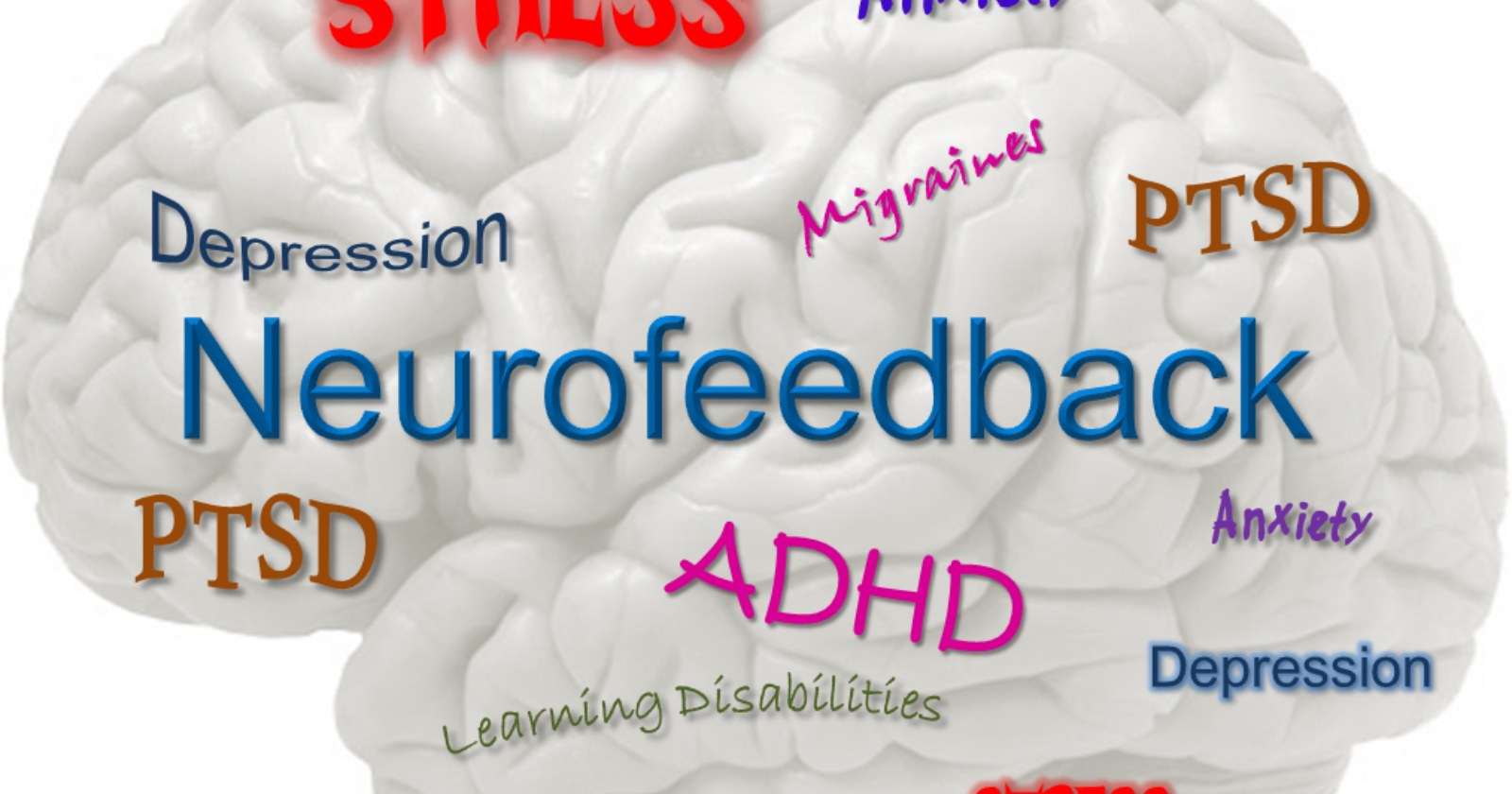
When Talk Therapy and Medication Aren’t Quite Enough: Another Way to Support Your Mental Health
If you’ve tried talk therapy, medication—or both—and still feel like something isn’t quite clicking, you’re not alone. Many people reach a point where they understand their patterns, have tools to cope, and are doing “all the right things”… yet still feel stuck. Maybe your mind knows what to do, but your body doesn’t seem to follow. O

Where Neurofeedback Fits in Mental Health Care: A Complement, Not a Replacement
Mental health care is evolving. Today, more providers are recognizing that lasting change often requires supporting not just thoughts and behaviors—but the underlying patterns of the nervous system itself. This is where neurofeedback can play a valuable role. What Is Neurofeedback? Neurofeedback is a non-invasive form of brain training that helps the brain become more flexible, regulated,

Left on Read by Therapy: Coping With the Silence
Maybe you've had it happen before. You spend what feels like forever debating whether it's time to reach out for help. Then the day comes where you're finally feeling ready so you look around, you find a few people, you draft the email (and edit it a thousand times because you're worried it doesn't sound right), you send it, then…. Nothing. Radio silence. You spent all that time working up

What to Look for in a Chronic Pain-Affirming Therapist
Finding a good therapist is hard. Finding a good therapist when you live with chronic pain is harder. The standard mental health system wasn't designed with chronic pain in mind, and many clinicians — even well-meaning ones — bring assumptions to this work that can do more harm than good. If you've ever been told that your pain is primarily psychological, that you just need to reduce

What LPC Associates Should Look for in a Clinical Supervisor
Choosing a clinical supervisor is one of the most consequential decisions you'll make as an LPC associate. You'll spend thousands of hours working toward licensure, and a significant portion of that journey will be shaped by the person sitting across from you in supervision. The relationship matters — not just what your supervisor knows, but how they work with you, what they prioritize, and