Dissociative Disorders (DID) Therapists in Oregon
6 providers found
Find Oregon therapists specializing in Dissociative Disorders (DID).

Accepting Always PLLC
Lpc · Portland, OR
Hello! All Clients are Ideal Clients. Our pursuit is to provide a safe and caring space where clients can explore and foster self-actualization and healthier relationships. We are…

Sara Blackwood
PCA · Bend, OR
Do you ever feel misunderstood or like you don’t fit in? Is this causing you to feel anxious or disconnected from life? As a queer mental health professional, I have experience…

Dr. Jinxi Caddel
PsyD, LPC, CADC III, MAC · Eugene, OR
I provide a safe, compassionate, and collaborative space to help you to explore your past, celebrate your strengths, and work toward your future. I work with adults and…
"Aloe" Sarah Michelson
LCSW · Philadelphia, OR
I am ecstatic to provide mental health support through authentic, affirming, and aware relationships that embody connection, safety, and warmth. I strive to build genuine…

Patrick Petrie
LPC · Portland, OR
Jennifer Speakman/Mindwise Counseling
LCSW · Florence, OR
Related Articles
From Oregon providers writing about this topic.
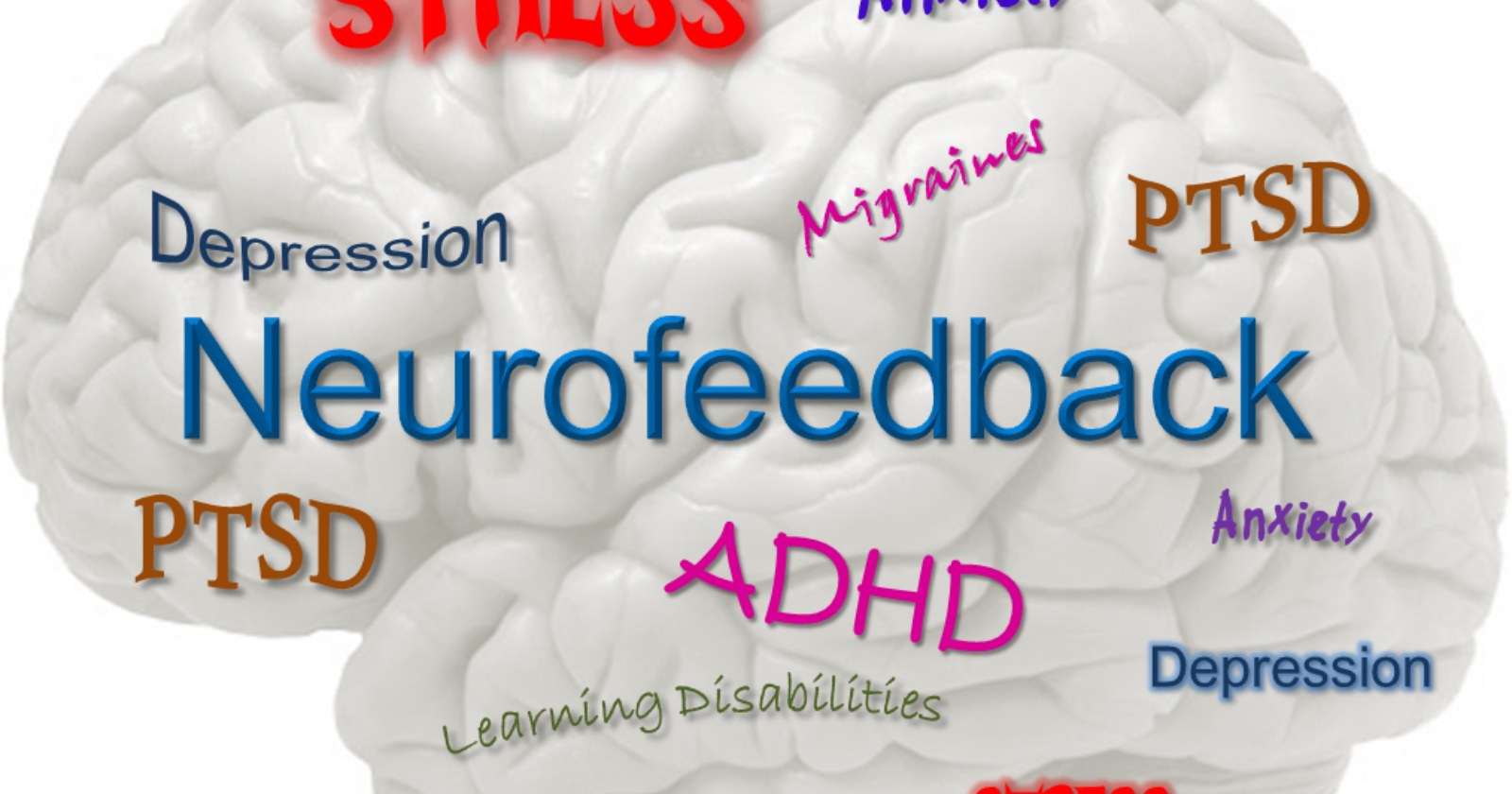
When Talk Therapy and Medication Aren’t Quite Enough: Another Way to Support Your Mental Health
If you’ve tried talk therapy, medication—or both—and still feel like something isn’t quite clicking, you’re not alone. Many people reach a point where they understand their patterns, have tools to cope, and are doing “all the right things”… yet still feel stuck. Maybe your mind knows what to do, but your body doesn’t seem to follow. O

Where Neurofeedback Fits in Mental Health Care: A Complement, Not a Replacement
Mental health care is evolving. Today, more providers are recognizing that lasting change often requires supporting not just thoughts and behaviors—but the underlying patterns of the nervous system itself. This is where neurofeedback can play a valuable role. What Is Neurofeedback? Neurofeedback is a non-invasive form of brain training that helps the brain become more flexible, regulated,

Left on Read by Therapy: Coping With the Silence
Maybe you've had it happen before. You spend what feels like forever debating whether it's time to reach out for help. Then the day comes where you're finally feeling ready so you look around, you find a few people, you draft the email (and edit it a thousand times because you're worried it doesn't sound right), you send it, then…. Nothing. Radio silence. You spent all that time working up

What to Look for in a Chronic Pain-Affirming Therapist
Finding a good therapist is hard. Finding a good therapist when you live with chronic pain is harder. The standard mental health system wasn't designed with chronic pain in mind, and many clinicians — even well-meaning ones — bring assumptions to this work that can do more harm than good. If you've ever been told that your pain is primarily psychological, that you just need to reduce

What LPC Associates Should Look for in a Clinical Supervisor
Choosing a clinical supervisor is one of the most consequential decisions you'll make as an LPC associate. You'll spend thousands of hours working toward licensure, and a significant portion of that journey will be shaped by the person sitting across from you in supervision. The relationship matters — not just what your supervisor knows, but how they work with you, what they prioritize, and

The Queer Body Remembers: Somatic-Focused Trauma Healing
For many LGBTQ (lesbian, gay, bisexual, transgender, queer/questioning) people growing up was distressing due to homophobia and transphobia. Schools felt like a scary place for those who were scapegoated as queer. LGBTQ people of color reported even worse experiences due to the additional stress of racism and racial bullying. Many of the gay men’s personal narratives that I have he
As of April 2026, Oregon Counselor Directory lists 9 therapists specializing in Dissociative Disorders (DID) across Oregon. These providers offer a range of services, with 6 providing telehealth sessions for clients across the state, enhancing accessibility for those in remote regions or with transportation challenges. Four of these therapists accept the Oregon Health Plan (OHP), which may cover therapy sessions at little or no cost depending on the client's specific managed care plan. Six therapists offer sliding scale fees, accommodating clients with limited financial resources. All 9 therapists are currently accepting new clients, and all provide in-person sessions. They employ evidence-based approaches such as Cognitive Behavioral Therapy (CBT), Eye Movement Desensitization and Reprocessing (EMDR), and Dialectical Behavior Therapy (DBT) to support clients dealing with DID.