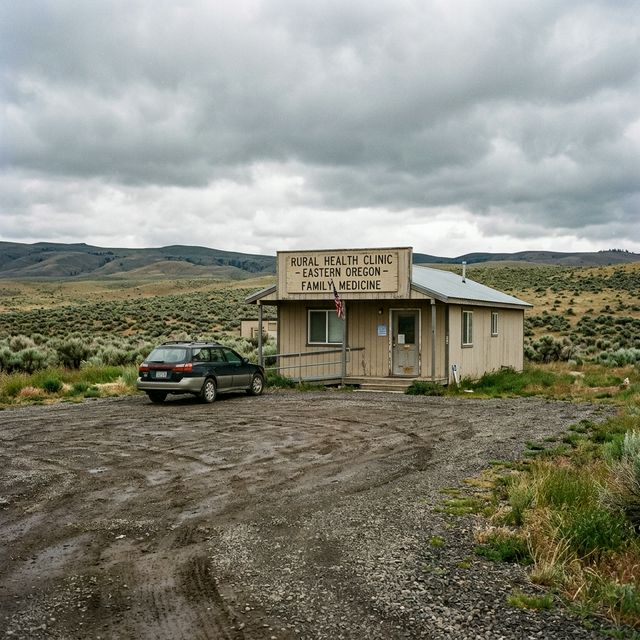
Population 1,400. Zero Licensed Therapists. Your Move.
In Wheeler County: population 1,400, there is not a single licensed mental health provider in private practice. Residents drive to Prineville, Bend, or Portland, often a 200+ mile round trip. Wheeler isn't alone: Grant, Harney, Lake, and Gilliam counties face similar provider deserts.
Across Eastern and Southern Oregon, communities exist in what the federal government designates as Health Professional Shortage Areas (HPSAs). According to OHA, 32 of 36 counties have fewer than one behavioral health provider per 1,000 residents. But shortage also means opportunity: for providers willing to go where the need is greatest.
The Financial Incentives Are Real
- Oregon Behavioral Health Loan Repayment Program (OBHLRP): Up to $30,000 for providers committing to two years of service at a public or nonprofit rural facility. Funded through HB 2949 and HB 4071.
- National Health Service Corps (NHSC): Federal loan repayment (up to $50,000 for a two-year commitment) and scholarship programs for clinicians serving in HPSAs
- Lower overhead: Office space in La Grande, Burns, or Klamath Falls costs $400–$800/month, compared to $1,200–$2,000+ in Portland
- Higher OHP volume: Rural areas typically have higher rates of OHP enrollment, providing a steady client base at current rates of ~$185/session
- Less competition: In many rural Oregon communities, you may be the only licensed provider within 50 miles
The Hybrid Telehealth Model
You don't have to live in Wheeler County full-time. Oregon's telehealth parity law (ORS 743A.058) requires all insurers, including OHP's CCOs, to cover telehealth at the same rate as in-person visits.
The emerging model: maintain a physical office in a rural community 1–2 days per week, see the rest of your caseload via telehealth from a home office in a larger city. This gives you the rural community connection and loan repayment eligibility while maintaining urban quality of life.
Caveat: Broadband access remains below 70% in many Eastern Oregon counties. Some clients will need in-person options, and community trust is built through physical presence.
Getting Established
- Credential with the regional CCO: Eastern Oregon CCO, AllCare (Southern), Columbia Pacific (Coast), or PacificSource (Central). Building relationships with CCO care coordinators generates referrals
- Connect with local healthcare: Rural hospitals, community health centers, and school-based health clinics are often desperate for behavioral health partnerships
- List on ORCounselors with every rural community you serve, clients search by city name, and being the only provider listed in John Day or Enterprise can bring in clients no one else reaches
- Build supervision capacity: If you're experienced, offering supervision to associates helps grow the rural workforce and generates additional income
Coming Infrastructure
HB 4002 (2024) is expanding Certified Community Behavioral Health Centers from 12 to approximately 27 statewide, many in rural areas. These centers provide comprehensive behavioral health services and can be practice partners or referral sources for independent providers.


